
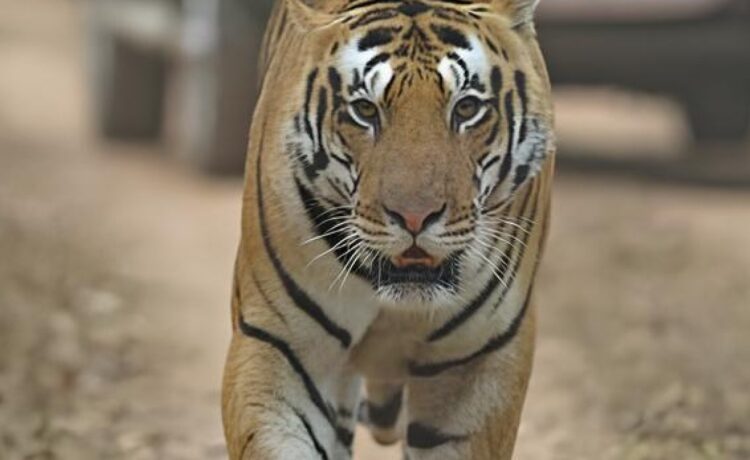
Tigers do not keep a calendar. But your odds to spot tigers in Sariska do change month to month. So timing matters.
So if you want the best time to spot tigers in Sariska, the short answer is summer. Because the heat pulls big cats to water. As a result, sightings get easier.
Winter, meanwhile, is the kinder season. The air is cool. Also, the forest is green. But the cats are harder to find.
This guide walks you through the year. Month by month. We cover sighting odds, weather, park timings, and the gates. For a wider seasonal view, see our best time to visit Sariska guide. We also show how a safari pairs with a night of stars at Astroport, right by Gate 2.
Why Summer Improves Your Tiger Odds
Summer is hot. So that is the whole trick.
From April to June, Sariska bakes. In fact, the mercury often climbs past 40 degrees. Then small streams dry up. So water gets scarce.
So tigers do what we all do. First, they head for water. Then they come to the few waterholes that remain.
So that makes them easier to find. Then you park near a waterhole. Next, you wait. As a result, the odds tilt your way.
Guides, of course, know these spots well. Still, early morning is best. The cats move before the sun turns fierce.
Also, summer is the season most experts name for sightings. Animals gather at water, so big cats show up more often (Source: MakeMyTrip, 2025 — best time to visit Sariska).
Still, the cost is comfort. Days are harsh. Also, you will sweat. So carry water, a hat, and light cotton.
But for a real shot at a tiger, summer wins. Just go early and stay patient.
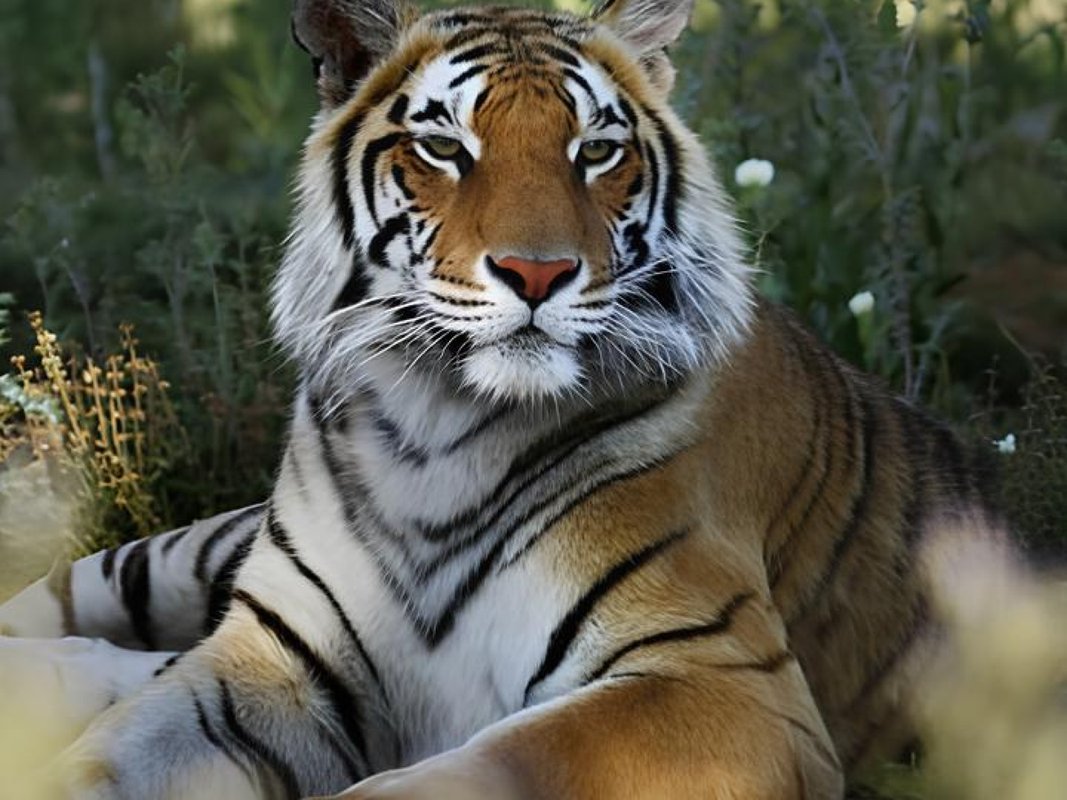
Q: Why are tigers easier to see in summer at Sariska?
A: The heat dries up most water. Tigers must visit the few waterholes left. They gather near water to drink and cool down. So they are simpler to spot from a jeep.
Why Winter Is Lovely but Trickier
Winter feels great. The cats just play harder to get.
From October to March, the weather turns mild. Days sit near 10 to 25 degrees (Source: MakeMyTrip, 2025 — best time to visit Sariska). Still, mornings can be crisp.
The forest looks lush after the rains. Also, greenery is everywhere. So it is a beautiful drive.
But here is the catch. Water is now spread across the reserve. So tigers do not need one waterhole. Instead, they roam wider.
So a sighting takes more luck. The cats could be anywhere. Still, you may still see one. But the odds are just lower.
Winter does have a gift, though. Birds.
In fact, many migratory birds fly in for the cool months. Then the lakes and wetlands fill with life. So birders love this window.
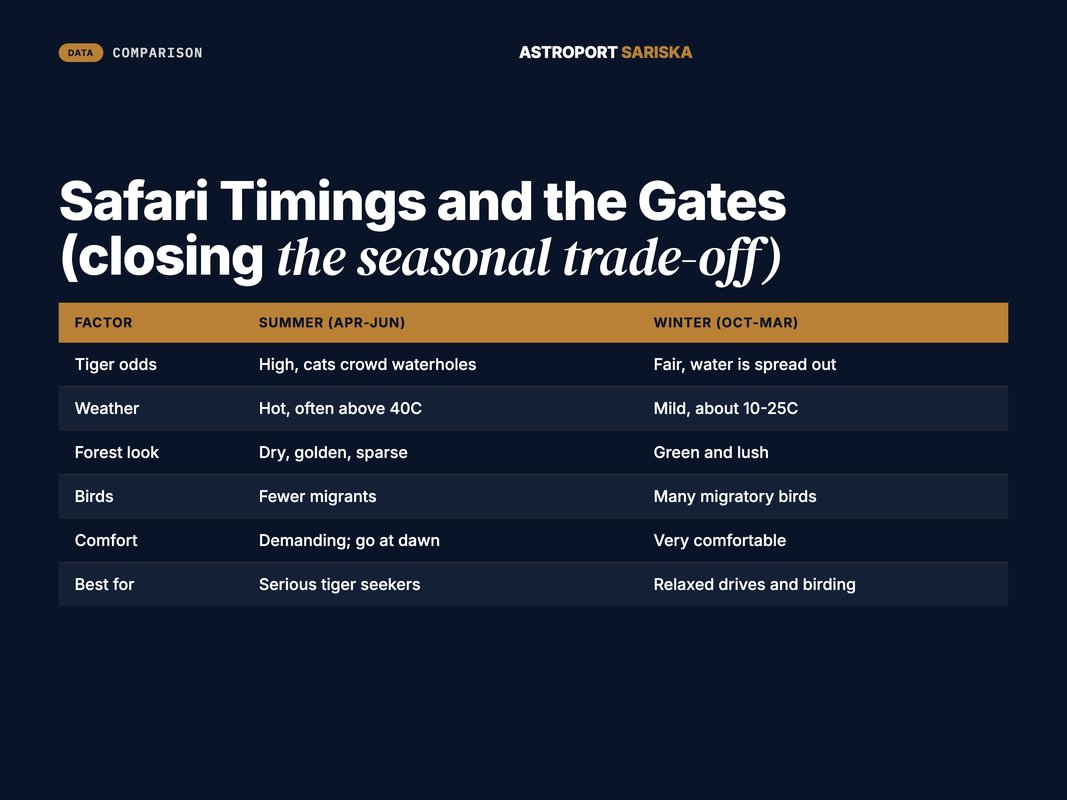
So pick winter for comfort and birds. Pick summer for the best tiger odds. Both are good trips, just for different reasons.
Q: Are winter sightings at Sariska impossible?
A: Not at all. They are just less certain. The cool weather is wonderful for a drive. But spread-out water means tigers roam more widely. Patience and a good guide still help a lot.
A Month-by-Month Sighting Guide
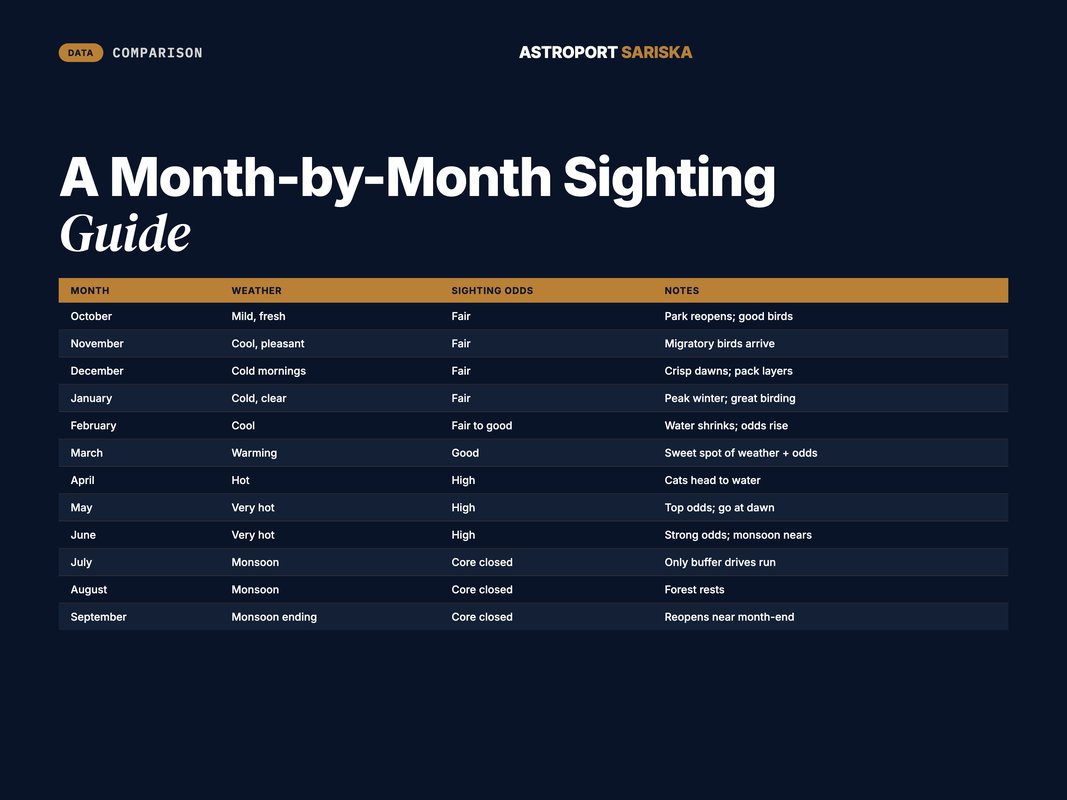
Every month has its own mood. Here is the year at a glance.
So use this as a quick planner. Then match the month to what you want. Big sighting odds, or kind weather, or fewer crowds.
| Month | Weather | Tiger sighting odds | Notes |
|---|---|---|---|
| October | Mild, fresh after rains | Fair | Park reopens; green forest, good birds |
| November | Cool, pleasant | Fair | Lovely weather; migratory birds arrive |
| December | Cold mornings | Fair | Crisp dawns; carry warm layers |
| January | Cold, clear | Fair | Peak winter; great for birding |
| February | Cool, comfortable | Fair to good | Water starts to shrink; odds rise |
| March | Warming up | Good | Sweet spot; nice weather, better sightings |
| April | Hot | High | Cats head to water; carry sun cover |
| May | Very hot | High | Top sighting odds; go at dawn |
| June | Very hot, humid late | High | Strong odds; park winds down for monsoon |
| July | Monsoon | Closed (core) | Core shut; only buffer drives run |
| August | Monsoon | Closed (core) | Core shut; forest rests and recovers |
| September | Monsoon ending | Closed (core) | Core shut; reopening nears month-end |
So the pattern is clear. Summer for sightings. Then winter for weather. Meanwhile, the shoulder month of March gives you a bit of both.
Q: What is the single best month to spot tigers in Sariska?
A: May is often the strongest. It is the peak of dry heat. Water is scarce, so tigers visit the same few spots. March is a gentler pick if you want better weather with good odds.
When the Park Is Open and Closed
Sariska runs most of the year. Still, the monsoon is the main pause.
So safaris run from October to June. That is the open season (Source: Chokhi Wadi, 2025 — Sariska travel guide). Also, all zones welcome jeeps in this window.
The core zones then close in the monsoon. That is roughly July to September. So the rest lets the forest recover (Source: Chokhi Wadi, 2025 — Sariska travel guide).
But the reserve does not go fully dark. Still, a buffer zone stays open in the rains. Drives run near Bala Quila, Siliserh, and the Pandupole temple (Source: Chokhi Wadi, 2025 — Sariska travel guide). So the focus shifts to forest and birds, not tigers.
One more rule. Also, Sariska is shut every Wednesday. So plan around that day.
This long season is a real plus. In fact, many tiger parks close more of the year. So Sariska gives you more open months to choose from.
Q: Is Sariska open in the monsoon?
A: The core zones close from about July to September. But a buffer zone near Bala Quila and Pandupole still runs limited drives. So you can visit, with the focus on scenery and birds rather than tigers.
Safari Timings and the Gates
Two drives a day. Time them right.
First, the morning safari starts near 6 a.m. in summer. In winter it moves to about 7 a.m. (Source: Utsav Camp, 2025 — Sariska safari timings).
Then the afternoon drive starts near 3 p.m. in summer. In winter it shifts earlier, to about 2 p.m. (Source: Utsav Camp, 2025 — Sariska safari timings). Timings move a little by season, so confirm at booking.
For tigers, the morning drive is gold. The cats are active. Plus, the light is soft. And the air is cool.
Now the gates. Sariska has two main entries. First, the Sariska Gate is the busier one. So it often gives good sighting chances. Meanwhile, the Tehla Gate is quieter and less crowded.
Astroport Sariska sits near Gate 2. So your drive can begin close to home. As a result, less travel, more time in the forest. If you are weighing where to stay, browse our top resorts near Sariska National Park guide.
Q: Should I book the morning or afternoon safari?
A: Take the morning drive for the best tiger odds. The cats move more at dawn, and the light is kind. An afternoon drive is a fine second outing and a lovely way to end the day.
The Story of Sariska’s Tigers
Sariska holds a famous comeback story. It is worth knowing.
This reserve sits in the Aravalli hills of Alwar, Rajasthan. Also, it spans about 1,203 square kilometres in all (Source: Wikipedia, 2025 — Sariska Tiger Reserve). In fact, it was notified as a tiger reserve back in 1978 (Source: NTCA, 2024 — Sariska brief note).
Then came a low point. By 2005, poaching had wiped out every tiger here (Source: Wikipedia, 2025 — Sariska Tiger Reserve). So the forest fell silent.
So India tried something bold. First, it flew tigers in. The first cat arrived by helicopter from Ranthambore on 28 June 2008 (Source: Wikipedia, 2025 — Sariska Tiger Reserve). Indeed, it was the world’s first tiger reintroduction of its kind.
Then the National Tiger Conservation Authority and the Wildlife Institute of India led the plan (Source: NTCA, 2024 — Sariska brief note). Slowly, it worked. Then cubs were born. So the line returned.
So by March 2024, the count had reached about 43 tigers (Source: Wikipedia, 2025 — Sariska Tiger Reserve). From zero to a living, breeding population. That is the forest you drive into today.
Q: Did Sariska really have no tigers at one point?
A: Yes. By 2005, poaching had killed them all. Tigers were then brought in from Ranthambore from 2008. It was the first reintroduction of its kind, and the count has climbed since.
More Than Tigers in Sariska
A tiger is the dream. But Sariska gives you far more.
In fact, plenty of other animals call this forest home. You may meet leopards, sloth bears, and striped hyenas. Also, golden jackals trot through the brush.
Then there are the deer, everywhere. Sambar and chital graze in the open. Also, nilgai and wild boar are common sights. So most drives reward you well, tiger or not.
Then there are the birds. Sariska is a birder’s joy. The reserve has logged 211 species in all (Source: Wikipedia, 2025 — Sariska Tiger Reserve). Of those, 120 are resident and 73 are migrants (Source: Wikipedia, 2025 — Sariska Tiger Reserve).
Then the land itself is a draw. Sariska sits in the dry Aravalli range (Source: Wikipedia, 2025 — Sariska Tiger Reserve). Rocky ridges, old ruins, and a calm lake fill the view.
So go in with open eyes. A good drive is never just one animal. It is a whole living forest.
Q: What else can I see if I miss the tiger?
A: A lot. Leopards, sloth bears, hyenas, and jackals roam here. Sambar, chital, nilgai, and wild boar are common. With 211 bird species, the birding alone is worth the trip.
How to Spot Tigers in Sariska: Boost Your Odds
Some habits really help. Here is a simple checklist.
Tick these off and you give yourself the best chance. None of it is hard.

- Visit in summer, from April to June, for peak odds
- Book the morning safari, when cats are most active
- Choose a guide and driver who know the waterholes
- Stay quiet in the jeep and listen for alarm calls
- Do more than one drive to raise your chances
- Carry water, a hat, and binoculars for the heat
- Keep your eyes on water sources in the dry months
Alarm calls, in fact, are your best clue. Deer and monkeys cry out when a tiger is near. So learn to listen for them.
And manage hope. A tiger is never a promise. But these steps stack the odds in your favour.
Q: Does more than one safari really help?
A: Yes, a lot. Tigers move on their own schedule. One drive is a single roll of the dice. Two or three drives across your stay give you far better odds of a sighting.
Plan Your Sariska Safari Step by Step
A little planning goes a long way. Follow these steps.
- Pick your season. Choose summer for tiger odds, or winter for cool weather and birds.
- Avoid Wednesday. The reserve is closed that day, so plan around it.
- Book the morning drive. It offers the best activity and the softest light.
- Plan more than one safari. Two or three drives lift your odds nicely.
- Pack for the season. Light cotton and sun cover for summer; warm layers for winter dawns.
- Choose a base near a gate. A nearby stay means less travel and more forest time.
- Add a night of stars. End the day under the Aravalli sky.
So keep it simple. First, match the month to your goal. Then let the forest do the rest.
Q: How many days do I need for a Sariska safari trip?
A: Two nights is a comfortable plan. That gives you time for two or three drives across morning and afternoon. It also leaves room to rest by day and enjoy the stars at night.
Quick Facts: Sariska at a Glance
- Reserve area: about 1,203 square kilometres in the Aravalli range (Source: Wikipedia, 2025 — Sariska Tiger Reserve)
- Tigers locally extinct by 2005; reintroduced from Ranthambore from 28 June 2008 (Source: Wikipedia, 2025 — Sariska Tiger Reserve)
- Tiger count reached about 43 by March 2024 (Source: Wikipedia, 2025 — Sariska Tiger Reserve)
- Notified as a tiger reserve in 1978 (Source: NTCA, 2024 — Sariska brief note)
- 211 bird species recorded; 120 resident and 73 migrant (Source: Wikipedia, 2025 — Sariska Tiger Reserve)
- Open October to June; core zones close in the monsoon (Source: Chokhi Wadi, 2025 — Sariska travel guide)
Why Astroport Sariska
A safari is better with the right base. Astroport sits right by it.
Astroport Sariska is India’s first astronomy resort. It blends stargazing, wildlife, and farm-to-table dining in one place. Also, it rests in the Aravalli hills, near Gate 2 of the reserve.
So that spot is the magic. Your morning safari starts close by. So less driving. As a result, more time with the cats.
Then the day belongs to you. First, rest by the pool. Next, tour the organic farm. Then eat a slow, fresh meal. Also, the whole resort runs on solar power.
And the night belongs to the sky. The Aravalli dark is deep here. So guests see thousands of stars on a clear night, far from city glow. Meanwhile, resident astronomers set up real telescopes. Curious what you can see? Read what you can see in the night sky at Sariska.
So you get two wonders in one trip. A tiger by day. Then a galaxy by night. Both within a few hours of Delhi NCR.
Want to pair a dawn safari with a night of stars? Plan your stay at Astroport Sariska. The forest and the sky are waiting.
Conclusion
Timing is everything with tigers. Now you have the map.
So go in summer, April to June, for the best sighting odds. Because the heat brings cats to water. Or go in winter for cool air, green views, and rich birding. The choice is yours.
Whatever you pick, book the morning drive. Also, plan more than one safari. Then listen for alarm calls. And keep your hopes calm but high.
So the best trips give you more than one thrill. A tiger at dawn. Then a sky full of stars at night. Sariska offers both, in one Aravalli setting near Delhi.
Ready to plan it? Book your stay at Astroport Sariska. Pair a safari with a night under the stars. Your wild weekend starts here.
FAQ
Timing and seasons
Q: What is the best time to spot tigers in Sariska?
A: The summer months from April to June give the best odds. The heat climbs past 40 degrees, so tigers come to waterholes to drink and cool off. They are easier to find near water. The trade-off is the heat, so go early and carry water.
Q: When is Sariska open for safaris?
A: Sariska runs safaris from October to June. The core zones close in the monsoon, roughly July to September, to let the forest rest. During those months a buffer zone near Bala Quila and Pandupole still runs limited drives. The reserve is also shut on Wednesdays.
Winter and the off-season
Q: Is winter a good time to visit Sariska?
A: Yes, for comfort and birds. From October to March the days are pleasant and the forest is green. Migratory birds arrive in good numbers. Tiger sightings are a little harder, though, because water is spread across the reserve and big cats roam wider.
Tigers, wildlife, and your stay
Q: How many tigers are in Sariska?
A: Sariska lost all its tigers to poaching by 2005. Tigers were then flown in from Ranthambore from 2008, in the world’s first such reintroduction. The population reached about 43 in March 2024, per Wikipedia citing official counts. Numbers keep changing as cubs are born.
Q: What are the safari timings at Sariska?
A: There are two drives a day. The morning safari starts near 6 a.m. in summer and 7 a.m. in winter. The afternoon drive starts near 3 p.m. in summer and 2 p.m. in winter. Timings shift a little with the season, so confirm when you book.
Q: What animals can you see in Sariska besides tigers?
A: Plenty. Sariska holds leopards, sloth bears, striped hyenas, and golden jackals. You will likely see sambar deer, chital, nilgai, and wild boar on most drives. It is also rich for birds, with 211 species recorded, per Wikipedia.
Q: Can you pair a Sariska safari with stargazing?
A: Yes, and it makes a great trip. Astroport Sariska sits near Gate 2 of the reserve. You can take a dawn safari, rest by day, then watch the stars at night. The Aravalli sky here shows thousands of stars away from city light.