
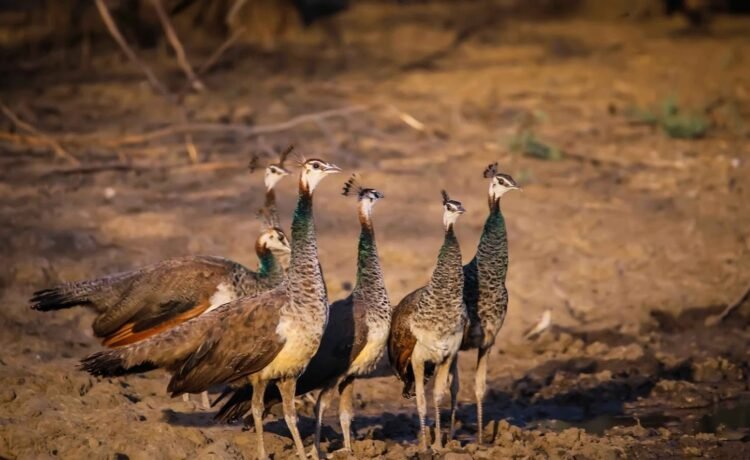
Dawn breaks over the Aravallis. So a peacock calls. Then the scrub wakes up. This is birdwatching around Sariska at its best.
For birdwatching and nature trails, Sariska is a quiet gem. It sits in dry hills near Delhi NCR. Still, it is full of wings.
This is not just a tiger park. Yet birds rule the mornings here. In fact, more than 200 kinds live in and around the reserve.
You do not need to be an expert. So you just need binoculars and a calm hour. Then the rest unfolds.
This guide maps the best spots. Next it names the birds to look for. Also it picks the right season and the right time of day. Because it is your first time, it even plans the morning, step by step. So let us begin where the birds are.
What Makes Sariska So Good for Birds
Sariska is dry, rocky, and wild. So that mix is gold for birds.
The reserve lies in the Aravalli Range. Its main tree is the dhok, a hardy scrub tree. Also the hills hold grassland, thorn, and a few lakes (Source: Wikipedia, 2026 — Sariska Tiger Reserve).
So that patchwork is the secret. Different birds like different homes. Yet scrub, water, and rock all sit close here.
As a result, your list grows fast. In one short walk you spot a kingfisher, then a woodpecker, then an eagle.
The numbers back this up. Sariska holds more than 200 bird species, with older counts near 211 (Source: Wikipedia, 2026 — Sariska Tiger Reserve). Birders also log their sightings here on eBird (Source: eBird, 2026 — Sariska hotspot).
Some are showy. Still, some are shy. Yet all of them make the morning sing.
Best of all, you do not have to go deep. Many birds live right at the forest edge. So the scrub around the reserve is alive.
Q: Why is Sariska such a rich place for birds?
A: It blends many habitats in a small area. Scrub, grassland, rocky hills, and lakes all meet here. Each one suits different birds. So a single walk can show you a wide mix of species.
The Birds You Are Most Likely to See
Some birds here are stars. So let us meet a few.
The peacock is king. Sariska holds a dense peafowl population, and their calls fill the dawn (Source: Wikipedia, 2026 — Sariska Tiger Reserve). Also you will hear them before you see them.
On the ground, look for grey francolin and bush quail. Then watch the dust as they scurry through the scrub. Soon you will spot them.
In the trees, the rufous treepie is bold and loud. Meanwhile the golden-backed woodpecker taps away. Nearby the white-throated kingfisher flashes blue and rust (Source: Wikipedia, 2026 — Sariska Tiger Reserve).
Raptors and Open-Country Birds
Now look up. So the skies hold raptors. Overhead the crested serpent eagle soars on broad wings. Meanwhile the Indian eagle-owl hides by day (Source: Wikipedia, 2026 — Sariska Tiger Reserve).
In open scrub, scan for sandgrouse. Still, they blend with the dust and bare ground. So a quiet eye finds them.
Use the table below as a quick field key. So it pairs each bird group with where to look and the best season.

| Bird or group | Where to look | Best season |
|---|---|---|
| Peafowl, spurfowl | Scrub, near Pandupole | All year |
| Grey francolin, bush quail | Open ground, grassland | All year |
| Treepie, woodpecker | Dry forest, tree line | All year |
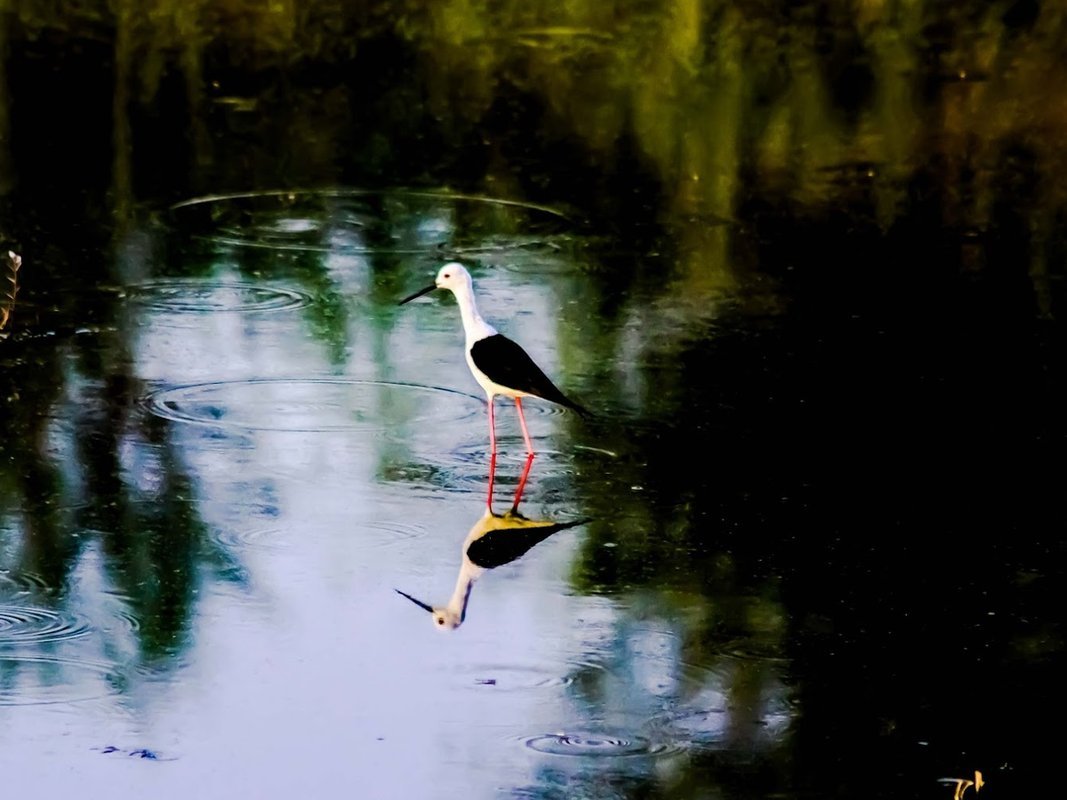
| Kingfishers, egrets, herons | Siliserh Lake shore | Winter best |
| Ducks, cranes, waders | Siliserh Lake water | Winter (Nov–Feb) |
| Crested serpent eagle, harriers | Ridges, open sky | Winter for migrants |
| Sandgrouse | Dry scrub, bare patches | Winter, early morning |
Do not chase every bird. Instead, pick one. Then watch it well. Because the joy is in looking closely.
Q: What is the easiest bird to spot at Sariska?
A: The peacock, without doubt. Sariska has a dense peafowl population, and the birds are large and loud. You will likely hear their calls at dawn and dusk. Then you just follow the sound.
The Best Spots for Birdwatching Around Sariska
Birds are everywhere here. But some spots are extra rich.
Start with Siliserh Lake. First, it is the gateway to the reserve and a Ramsar wetland of global value (Source: Free Press Journal, 2025 — Siliserh Ramsar site). So its water draws cranes, kingfishers, and winter ducks.
The lake also supports over 100 bird kinds (Source: Free Press Journal, 2025 — Siliserh Ramsar site). So stand by the shore at dawn. Then let the birds come to you.
Next, try Pandupole, deep inside the reserve. It is a temple spot by a small waterfall. Also it teems with peafowl, spurfowl, and treepies (Source: Wikipedia, 2026 — Pandupole).
Then there is the scrub around the reserve. Still, you do not always need a gate pass. Because the thorn and dhok at the edges hold francolins, shrikes, and small birds.
Also, do not forget the resort grounds. Quiet gardens and waterholes pull birds in close. So you can bird before breakfast without going far. For more places to base yourself, see our guide to the top resorts near Sariska National Park.

Q: Where should a first-time birder go near Sariska?
A: Start at Siliserh Lake or the resort grounds. Both are easy and rich. The lake is great for waterbirds in winter. The grounds let you practice with no rush, right where you stay.
When to Go: Season and Time of Day
Timing makes or breaks a birding trip. So get it right and the day sings.
For the widest list, come in winter. If you are weighing dates, our guide to the best time to visit Sariska helps you choose. From November to February, migrant birds fly in from colder lands (Source: The Better India, 2024 — winter birdwatching in India). So they join the residents and swell the count.
Winter weather is also kind. The air is cool. So long walks feel easy. Meanwhile the lakes brim with ducks and waders.
But resident birds stay all year. Peafowl, treepies, and kingfishers never leave. So even a summer visit shows you plenty.
The Best Time of Day
Now the time of day. Early morning is best, hands down. Because birds feed and sing most just after dawn (Source: The Better India, 2024 — winter birdwatching in India).
So rise with the sun. Then walk slow for an hour or two. Next rest through the hot midday.
A second window opens in the late afternoon. Then birds stir again as the heat fades. So it is a fine time for a gentle stroll.

So here is a simple plan for a birding morning.
- First, wake before first light. Then dress in dull, soft colours.
- Next, carry binoculars, water, and a small snack.
- Reach your spot by sunrise. Then stand still and listen.
- Follow calls. Also move slowly and stay quiet.
- Note each bird. Then use a guide or a phone app.
- Finally, head back as the heat climbs, near mid-morning.
Q: What is the best time of year to watch birds at Sariska?
A: Winter is the top pick, from about November to February. Migrant birds arrive and the count climbs. The cool weather is great for walking. Resident birds stay all year, so other seasons still reward you.
Gentle Nature Trails for Non-Birders
Not everyone wants a bird list. So that is fine. Still, the trails charm.
Sariska is built for slow walks. The paths wind through dry forest and rocky hills. Meanwhile the dhok trees throw light, dappled shade.
You do not need a guide for an easy stroll near the edge. So just go slow. Then look at the trees, the rocks, the light.
Watch for tracks in the dust. Also spot a butterfly. Then hear the wind in the scrub. So nature shows up in small ways.
The Aravalli scenery is a gift on its own. Ancient hills. Wide, open sky. Still, a deep, settling quiet.
Also bring the kids. So a short trail teaches them to look and listen. Because it beats a screen, every time.
And if a bird does appear, even better. Still, you do not have to name it. So just watch it fly.
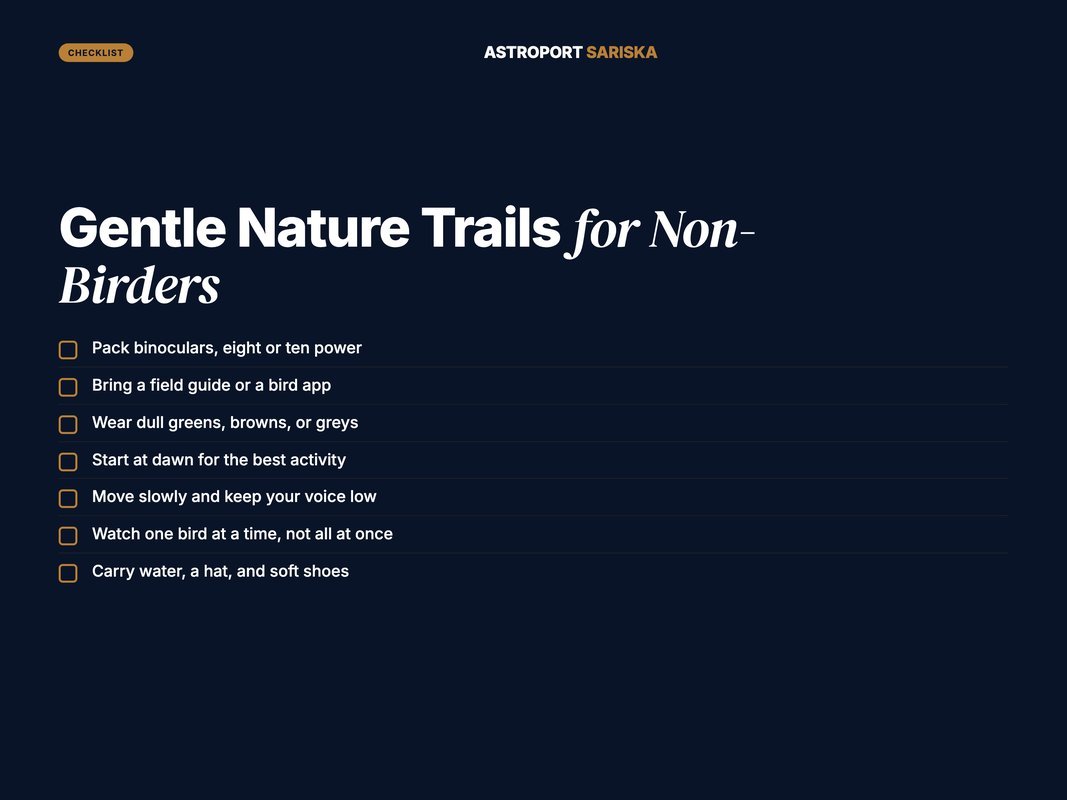
So here is a beginner birdwatching checklist.
- Pack binoculars, eight or ten power
- Bring a field guide or a bird app
- Wear dull greens, browns, or greys
- Start at dawn for the best activity
- Move slowly and keep your voice low
- Watch one bird at a time, not all at once
- Carry water, a hat, and soft shoes
Q: Can I enjoy Sariska without being a birdwatcher?
A: Yes, fully. The nature trails are calm and pretty on their own. You can walk, breathe, and soak in the hills. Birds and butterflies are a lovely bonus, not a must.
A Day Trip for Serious Birders
Want even more birds? So a famous site sits within reach.
Keoladeo National Park lies in Bharatpur. It is a UNESCO World Heritage site, listed back in 1985 (Source: UNESCO, 2026 — Keoladeo National Park). Also it ranks among India’s top birding spots.
The numbers are huge. Keoladeo has logged more than 370 bird species (Source: Wikipedia, 2026 — Keoladeo National Park). So in winter its wetlands fill with cranes, storks, and ducks.
But it is not next door. Bharatpur sits about 100 to 110 kilometres from the Sariska area. So plan a full day, with an early start.
Then pair it with a stay at Astroport. First bird at Sariska one morning. Next drive to Bharatpur on another. So you get two great birding worlds in one trip.
Q: How far is Bharatpur from Sariska?
A: Bharatpur is about 100 to 110 kilometres from the Sariska area. It takes a few hours by road. So it works best as a planned day trip, not a quick hop. Start early to make the most of it.
Quick Facts: Birdwatching Around Sariska
- Sariska holds more than 200 bird species, with older surveys near 211 (Source: Wikipedia, 2026 — Sariska Tiger Reserve)
- Siliserh Lake is a Ramsar wetland and supports over 100 bird kinds (Source: Free Press Journal, 2025 — Siliserh Ramsar site)
- Best birding season is winter, November to February, for migrants (Source: The Better India, 2024 — winter birdwatching in India)
- Keoladeo, Bharatpur, a UNESCO site, has logged 370+ bird species (Source: Wikipedia, 2026 — Keoladeo National Park)
- Pandupole inside the reserve teems with peafowl, spurfowl, and treepies (Source: Wikipedia, 2026 — Pandupole)
Why Astroport Sariska
Astroport Sariska is India’s first astronomy resort. So it sits in the Aravalli hills, near Gate 2 of the reserve.
That spot is a birder’s dream. First you wake to peacock calls. Then the grounds and waterholes pull birds in close. So a dawn walk starts at your door.
The real magic is the pairing. So you stargaze at night under a dark Aravalli sky. Then you rise for birds at first light.
Picture it. Telescopes by night. Then binoculars at dawn. So stars and wings in one short stay.
The resort runs on solar power. So it is part of the quiet land, not apart from it. Because that calm is what birds love too.
You also get more than birds. For example, safaris run for tigers and deer. There is a farm with farm-to-table meals, a slice of agrotourism near Delhi. Also yoga waits under the open sky.
So it is a base for the whole region. First Sariska for birds. Then Siliserh for waterbirds. Next Bharatpur for a big day out.
So bring your binoculars. Then come for the stars. Also stay for the dawn chorus.
Plan your trip at astroportsariska.com.
Conclusion
Sariska is a place for slow looking. So birds reward the patient here.
You have the map now. The scrub, the lake, and Pandupole all teem with wings. So winter brings the migrants. Then dawn brings the song.
You do not need much. So just a pair of binoculars. Also a quiet hour. Then an open mind.
Then pair it with a night of stars at Astroport. First sleep under the Milky Way. Next wake to the peacock’s call. So few trips give you both.
Ready to go? So pack light, rise early, and let the birds find you. Then plan your stay and start your list at astroportsariska.com.
FAQ
Q: How many bird species live in Sariska?
A: Sariska is home to more than 200 bird species. Older surveys logged about 211, and newer counts run higher. The list spans peafowl, kingfishers, woodpeckers, and many raptors. So a single morning can turn up a long list of birds, per Wikipedia.
Timing and Gear
Q: What is the best time of day to watch birds at Sariska?
A: Early morning wins. Birds feed and sing most in the first hours after dawn. The light is soft and the air is cool. A second, quieter burst comes in the late afternoon. So plan your walk for sunrise, then rest through the heat of midday.
Spots and Pairing Your Trip
Q: Where can I see waterbirds near Sariska?
A: Head to Siliserh Lake, the gateway to the reserve. It is a Ramsar wetland of global value. The water draws cranes, kingfishers, egrets, and many winter ducks. Early morning by the shore is the sweet spot for waterbirds, per the Free Press Journal.