
7 Best Offbeat Weekend Getaway From Delhi in 2026
Let’s be honest. You’re exhausted.
Not just from work, but from the idea of planning another offbeat weekend getaway near Delhi. You scroll through the same tired recommendations—Shimla, Mussoorie, Nainital—and feel nothing but dread. Because you know what awaits: bumper-to-bumper traffic, 10-hour jams on narrow mountain roads, overcrowded viewpoints, and hotels that charge premium prices for mediocre experiences.
You don’t want another “getaway” that leaves you more stressed than when you started.
What you’re really craving is simple: quiet. Space to breathe. A place where you can actually hear yourself think. An offbeat weekend getaway near Delhi that feels like a discovery, not a tourist trap.
The good news? These places exist. And most Delhi travelers have never heard of them.
Why ‘Offbeat’ is the New Luxury
Here’s what we’ve learned after years of weekend escaping: true luxury isn’t about fancy hotels or expensive meals.
It’s about scarcity.
The scarcity of crowds. The scarcity of noise. The scarcity of light pollution that lets you see stars you forgot existed.
When was the last time you stood somewhere truly dark and looked up?
This guide isn’t just another list of “hidden gems” that aren’t actually hidden. We’re sharing seven genuinely quiet destinations—places where you can disconnect, recharge, and remember what peace feels like. Each one offers something different: heritage art, pristine lakes, waterfalls, wildlife, or the clearest night skies you’ve seen in years.
One of these spots specializes in something particularly rare: expert-led astronomy experiences that turn casual stargazing into genuine cosmic education. But we’ll get to that.
Your Ultimate Guide to Unexplored Gems
You’ll find everything practical here: exact distances, realistic drive times, what to actually do at each place, and where to stay.
No fluff. No generic “enjoy the scenic beauty” advice.
Just real recommendations from people who’ve made these drives, walked these trails, and found the peace you’re searching for.
Let’s start with the truly special ones.
The Hidden Gems (The Core List)
1. Astroport Sariska, Rajasthan: Where Wildlife Meets the Cosmos
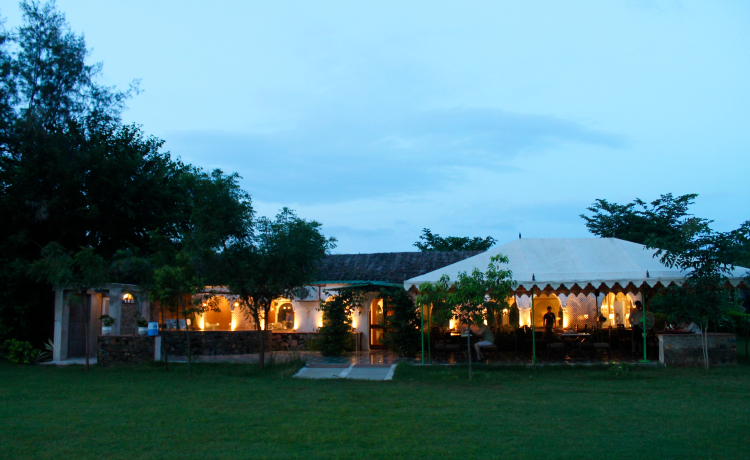
Distance from Delhi: 240 km | Drive Time: 4-5 hours
Most people know Sariska as “that tiger reserve near Alwar.” And yes, the wildlife sanctuary is spectacular. But there’s something happening here that makes Sariska an offbeat weekend getaway near Delhi unlike any other.
The night sky.
Sariska sits in the Aravalli hills at a Bortle Scale rating of 3-4. If you don’t know what that means, here’s the simple version: Delhi’s sky is a Bortle 8-9 (terrible). Sariska’s is among the darkest in northern India. On a clear night, the Milky Way stretches overhead like a river of light.
Why Astroport Sariska Stands Out
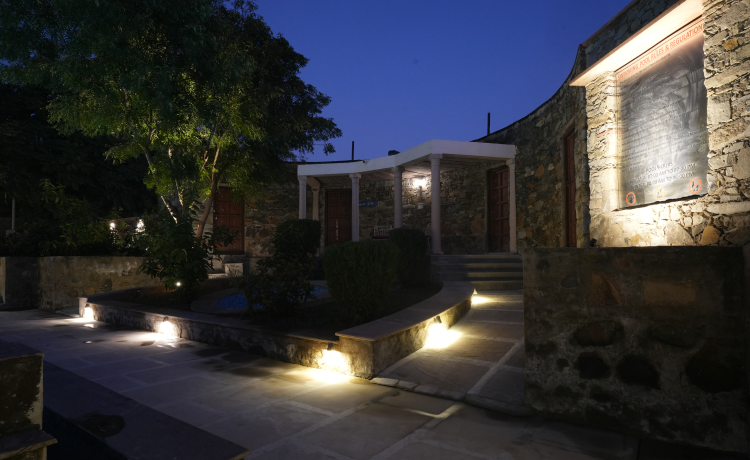
Located within this rare dark-sky zone, Astroport Sariska has built something unique: India’s first astronomy resort that combines professional-grade stargazing with comfortable accommodation and genuine sustainability.
Here’s what sets it apart:
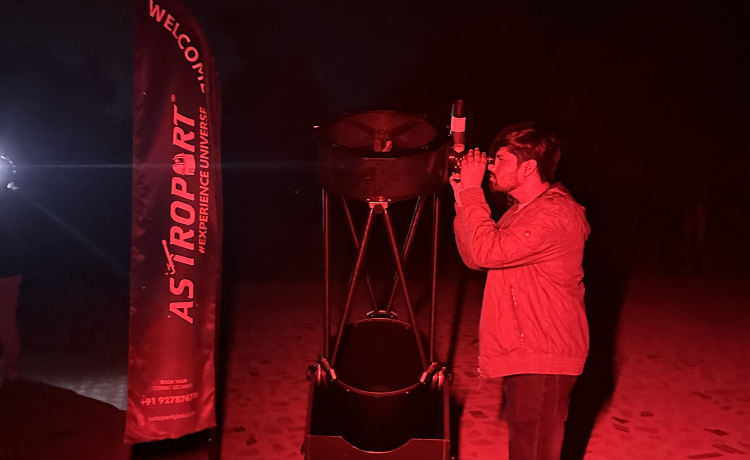
The Equipment: High-powered telescopes capable of showing you Saturn’s rings, Jupiter’s moons, the Andromeda Galaxy, and the Orion Nebula in stunning clarity. No squinting through a toy telescope hoping to see a blurry dot.
Expert Guidance: Resident astronomers who explain what you’re seeing in plain language. They adjust the telescopes, find the celestial objects, and answer every question—from your curious 8-year-old’s “why is Mars red?” to your own “how do galaxies actually form?”
Hands-On Learning: Beyond gazing, they offer telescope-making workshops, hydro-air rocketry, solar observation (safely!), and astrophotography basics. This isn’t passive entertainment. It’s active discovery.
Zero Compromise on Darkness: The entire resort runs on solar power. Zero-plastic policy. Organic farm-to-table dining. They’ve engineered every detail to protect the darkness that makes the astronomy possible.
During the day? You’re surrounded by the Sariska Tiger Reserve. Morning safaris offer real chances of spotting tigers, leopards, and diverse birdlife.
This combination—pristine wilderness below, pristine cosmos above—makes Astroport Sariska the most complete offbeat weekend getaway near Delhi for families, couples, and anyone seeking both adventure and education.
Must-Do Beyond Astroport:
- Bhangarh Fort: One of Asia’s most “haunted” locations (if you believe in that sort of thing), this 17th-century fort offers fascinating history and eerie atmosphere.
- Siliserh Lake: Built in 1845, this picturesque lake is perfect for sunset photography and peaceful boating.
Best Time to Visit: October to March for stargazing; the winter months offer the clearest skies.
2. Shekhawati, Rajasthan: The World’s Largest Open-Air Art Gallery
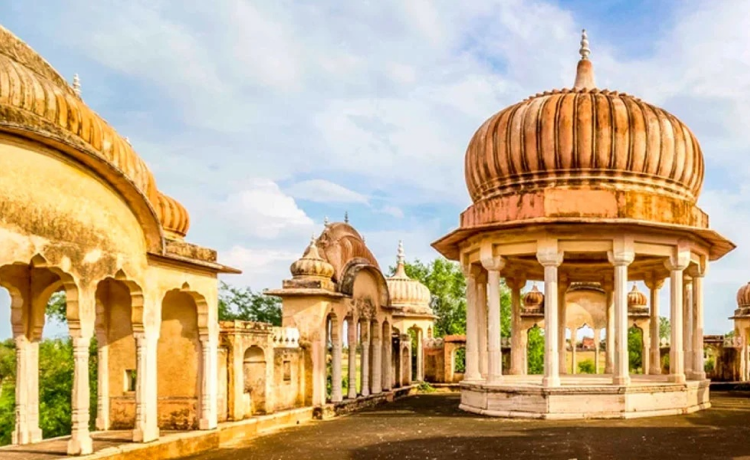
Distance from Delhi: 265-277 km | Drive Time: 5-6 hours
If you love Rajasthan’s architecture but hate Jaipur’s crowds, Shekhawati will feel like a secret you’ve been keeping from yourself.
This semi-arid region—encompassing towns like Nawalgarh, Mandawa, and Fatehpur—was once a crucial stop on ancient trade routes. Wealthy Marwari merchants built hundreds of havelis (mansions) here, then hired artists to cover every surface with intricate frescoes.
We’re talking entire walls depicting mythology, British officials on bicycles, trains, cars—a visual documentation of 18th and 19th-century life. Many havelis now stand abandoned, their frescoes fading but still breathtaking.
Why It’s Special:
Unlike Jaipur’s palace tours with roped-off sections and crowds, here you can wander freely. Peek through doorways. Climb crumbling staircases. The art is everywhere, and you’ll have whole streets to yourself.
Must-Do Activities:
- Walk the Fresco Trails: Start in Nawalgarh at the Podar Haveli Museum, then explore Fatehpur and the Nadine Le Prince Cultural Center.
- Stay in a Heritage Property: Several restored havelis now operate as boutique hotels. Imagine sleeping in a 200-year-old mansion with original frescoes above your bed.
- Photography: Golden hour here is magical. The faded grandeur, peeling paint, and intricate artwork create frames that feel timeless.
Practical Tips:
Visit between October and March when temperatures are bearable. Summer heat in the desert is brutal. Some havelis require small entry fees or donations for maintenance. Carry cash—card machines are rare.
3. Nahan, Himachal Pradesh: A Lakeside Town Lost in Time
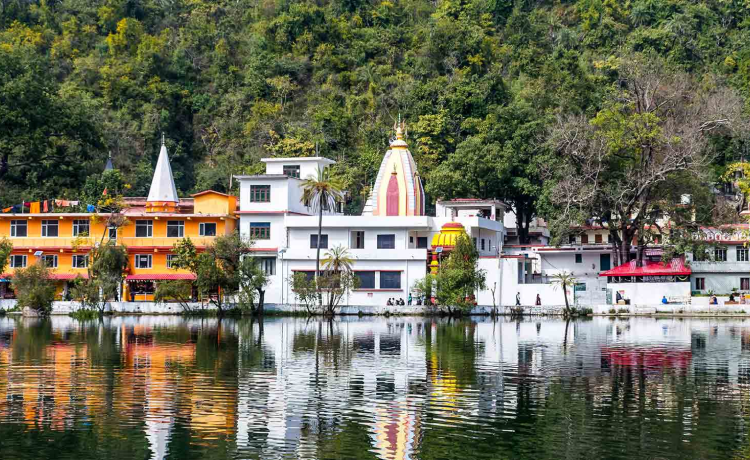
Distance from Delhi: 254-315 km | Drive Time: 6-7 hours
Every hill station in Himachal gets overcrowded. Shimla, Manali, Dharamshala—they’re beautiful but exhausting during peak season.
Nahan somehow escaped the list.
This colonial-era town sits at a comfortable altitude with smooth approach roads. No hairpin bends. No traffic snarls. Just a gentle, scenic drive that deposits you in a place that feels genuinely unhurried.
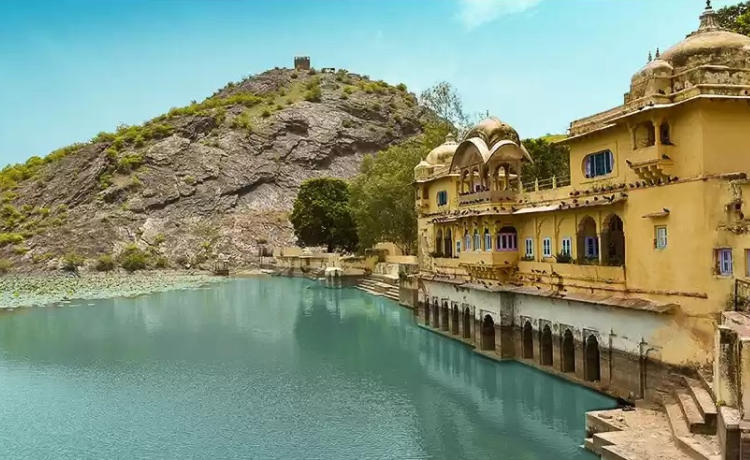
The star attraction is Renuka Lake—Asia’s largest natural lake. Surrounded by dense forests, the lake’s calm waters and peaceful atmosphere instantly lower your heart rate.
Why Choose Nahan:
Because you want hills without hassle. You want nature without the Instagram crowds. You want to actually relax, not just take photos pretending to relax.
Must-Do Activities:
- Renuka Lake Boating: Gentle paddling across still waters, surrounded by green hills.
- Renuka Wildlife Sanctuary: Spot deer, Himalayan black bears (from a safe distance!), and diverse bird species.
- Suketi Fossil Park: For families, this offers a surprising educational twist—fossils dating back 85 million years.
- Nature Walks: Pick any trail. Walk slowly. Listen to birds. That’s the entire agenda.
Stay Smart:
Book homestays over hotels. The local hosts provide better food and deeper insights into Himachali culture. Network connectivity can be patchy—consider it a feature, not a bug.
4. Chakrata, Uttarakhand: Deodar Forests and Thundering Tiger Falls
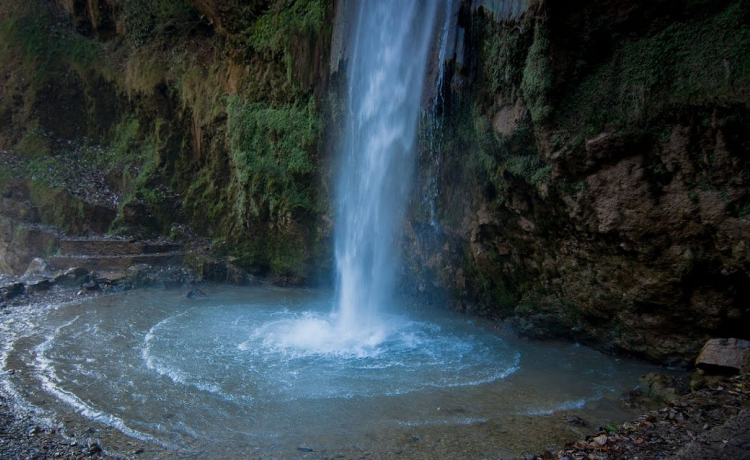
Distance from Delhi: 335-350 km | Drive Time: 8-9 hours
Chakrata demands commitment. The drive is long, the roads get challenging, and the final stretches wind through dense deodar forests with minimal civilization.
But if you’re serious about an offbeat weekend getaway near Delhi that delivers genuine wilderness, Chakrata rewards every extra hour on the road.
Its military cantonment status has kept it pristine. No commercialization. No souvenir shops lining the streets. Just forests, mountains, and crisp Himalayan air.
The Main Draw: Tiger Falls
This isn’t some trickle you’ll find disappointing. Tiger Falls is the highest direct-fall waterfall in Uttarakhand—thundering down from 312 feet.
Getting there requires effort: you can drive 18-20 km from Chakrata town, then trek 1 km downhill (which becomes a steep uphill climb on return). Serious trekkers can opt for the full 5 km forest trail—exhausting but spectacular.
Other Adventures:
- Deoban Forest: Panoramic Himalayan views and some of the most pristine deodar forests you’ll ever walk through.
- Budher Caves: For those who enjoy a bit of spelunking and local folklore.
Real Talk—Preparation Required:
Accommodation is mostly homestays and basic guesthouses. Charm over comfort. Mobile networks are patchy. ATMs are scarce. Download offline maps, carry cash, and pack snacks. This is authentic Uttarakhand, not a resort town.
Best Time: April to June and September to November. Avoid monsoon season—trails get dangerously slippery.
5. Bundi, Rajasthan: The Blue City’s Forgotten Cousin
Distance from Delhi: 480-500 km | Drive Time: 8-10 hours
Bundi requires dedication. It’s farther than most weekend trips. But for architecture lovers and photography enthusiasts, it’s pilgrimage-worthy.
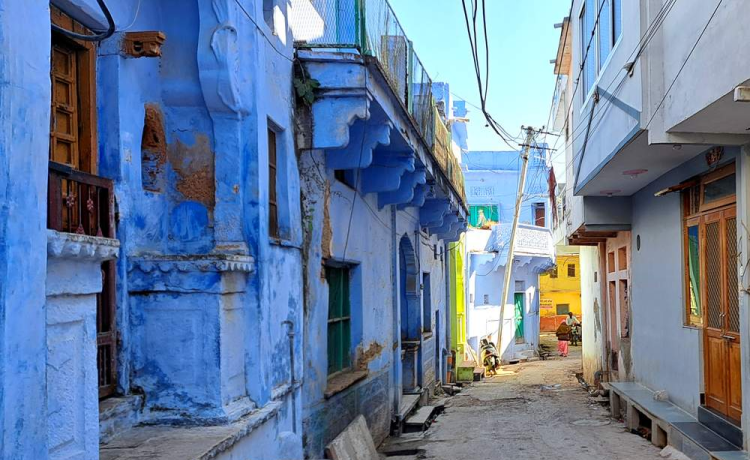
Think of it as Jodhpur without the tour buses. Blue-painted houses cascade down hillsides below the massive Taragarh Fort. Narrow lanes wind between ancient buildings. And everywhere—step-wells.
Bundi’s baoris (step-wells) are engineering marvels. These aren’t just functional water sources; they’re ornate, multi-story structures with intricate carvings and staircases descending into the earth.
Must-See Highlights:
- Raniji ki Baori (Queen’s Stepwell): The most famous and beautifully preserved. Its pillars, arches, and carvings create mesmerizing symmetry.
- Taragarh Fort: The “Star Fort” sits imposingly above the town, offering sweeping views and historical intrigue.
- Chitrashala: Bundi’s palace murals showcase the Bundi school of miniature painting—worth studying for hours.
Photography Heaven:
The blue alleyways during golden hour. The geometric precision of the step-wells. The layers of history in every crumbling wall. Bring your camera and extra memory cards.
When to Go:
October to March only. Summer temperatures in Rajasthan can hit 45°C+. Not fun for sightseeing.
6. Tirthan Valley, Himachal Pradesh: The Great Himalayan National Park’s Secret
Distance from Delhi: 450-500 km | Drive Time: 12-14 hours
Tirthan Valley is not a casual weekend trip. It’s a commitment. The drive is long, the roads get narrow, and you’ll climb steep passes.
But here’s what you get in return: a UNESCO World Heritage Site with barely any tourists.
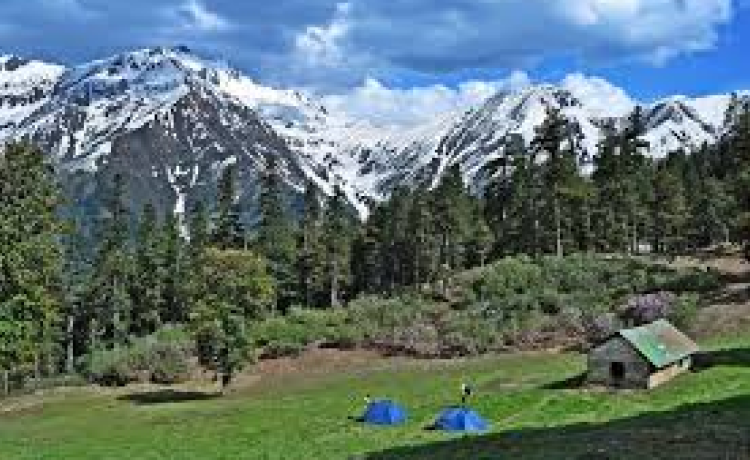
Tirthan Valley borders the Great Himalayan National Park (GHNP). The local communities here have deliberately chosen eco-tourism over mass tourism. They’ve said no to big hotels, no to plastic, no to commercialization.
The result? One of India’s most pristine Himalayan valleys.
Why It’s Worth the Drive:
The Tirthan River—crystal clear, trout-filled, and flanked by dense forests. You can fish (with permits), or simply sit by the banks and decompress completely.
Must-Do Activities:
- Trout Fishing: The Tirthan River is famous for it. Catch-and-release programs keep the ecosystem healthy.
- Jalori Pass Trek: High-altitude mountain pass with stunning views and access to remote villages.
- GHNP Treks: Multi-day treks into the national park for serious adventurers. Permits required.
- Village Homestays: Stay in Gushaini, Nagini, or Shoja. The local hospitality is legendary.
The Connectivity “Issue”:
Mobile networks are weak. WiFi is unreliable. The locals call it a “gift, not a glitch.” They’re right. This forced disconnection is therapeutic.
Responsible Travel:
Carry out all plastic waste. Use refillable water bottles. Respect local customs. The valley’s beauty depends on conscious travelers.
Best Time: March to June and September to November.
7. Kasauli, Himachal Pradesh: Colonial Charm and Pine-Scented Air
Distance from Delhi: 290-300 km | Drive Time: 6-7 hours
Sometimes you don’t need extreme adventure or exotic destinations. Sometimes you just need quick access to clean mountain air and quiet walks.
That’s Kasauli.
This tiny cantonment town has retained its colonial charm. Old churches, winding pathways through pine forests, heritage architecture, and a slow pace that feels almost meditative.
Perfect For:
People who want a simple, stress-free offbeat weekend getaway near Delhi. Families with young kids. Anyone who just wants to walk, breathe, and reset.
Must-Do Activities:
- Gilbert Trail: A gentle 1.5 km walking path through thick forests. Even beginners and elderly travelers find it manageable.
- Monkey Point: The highest point in Kasauli, offering panoramic Himalayan views and a small temple.
- Kasauli Brewery: India’s oldest distillery (1820s), now a heritage site. Tours available.
Stay Away from the Main Market:
It’s slowly getting commercialized. Instead, book accommodations on the quieter side of town. The trails and viewpoints away from the market area retain the original charm.
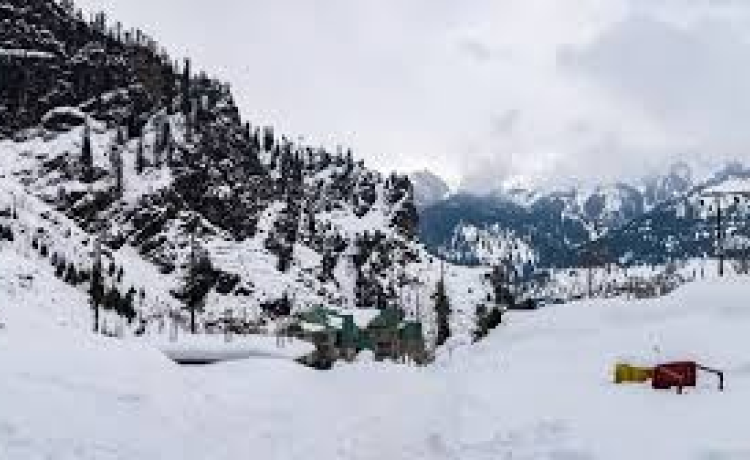
Best Time: Year-round, though summer (April-June) sees more visitors. Winter offers snow and solitude.
Planning Your Perfect Offbeat Escape
Essential tips for an offbeat weekend getaway near Delhi
Finding the destination is easy. Getting there safely and responsibly requires planning.
1. Timing Matters
Best Travel Months: October to March for most destinations. Comfortable temperatures, clear skies, and minimal rainfall.
Hill Stations: April to June works too, before monsoons hit.
High-Altitude Places (Chakrata, Tirthan): Avoid December-February unless you’re prepared for snow and road closures.
2. Road Conditions—Set Realistic Expectations
Major highways out of Delhi are excellent. But the final 30-50 km to truly offbeat places often involve narrow roads, sharp turns, or unpaved stretches.
What This Means:
- Add 1-2 hours to Google Maps’ estimated time.
- If you’re not comfortable with hill driving, consider hiring a local driver for the final leg.
- Check recent traveler reviews for road condition updates, especially post-monsoon.
3. Accommodation—Go Local
Skip the chain hotels. They don’t exist in most offbeat places anyway.
Choose:
- Homestays: Authentic experiences, home-cooked meals, local insights.
- Heritage Properties: In Shekhawati and Bundi, staying in restored havelis is part of the experience.
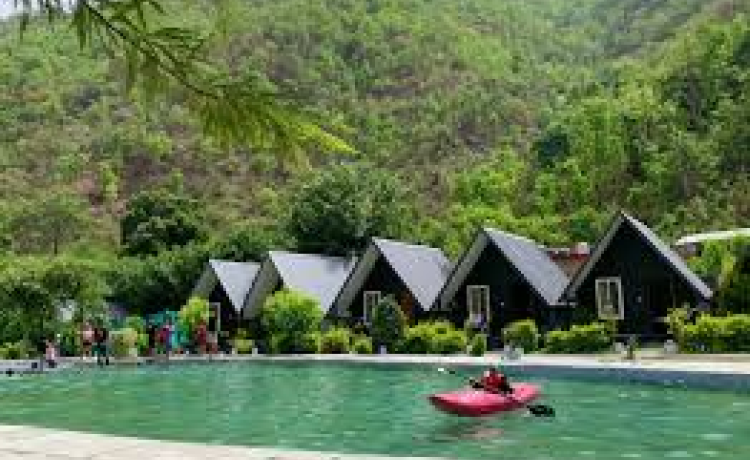
- Eco-Resorts: Places like Astroport Sariska that combine comfort with sustainability.
Why It Matters:
You’re directly supporting local economies and getting genuine cultural immersion. Plus, the hosts usually give better recommendations than any guidebook.
4. The Connectivity Reality
Many offbeat destinations have weak or zero mobile networks.
Be Prepared:
- Download offline maps (Google Maps, Maps.Me).
- Share your itinerary with family before losing signal.
- Carry physical cash—ATMs are rare and card machines unreliable.
- Pack a power bank.
Mindset Shift:
Treat the digital detox as intentional. The inability to check emails or scroll social media is part of the experience.
5. The Responsible Traveler’s Pledge
These places remain offbeat because they’re protected by distance and by people who care.
Your Responsibility:
- Carry out all plastic waste. If you bring it, take it back.
- Respect local culture. Dress modestly in villages. Ask permission before photographing people.
- Support local businesses. Buy from village shops, eat at local dhabas, hire local guides.
- Leave no trace. Don’t carve your name on trees or walls. Don’t litter trails.
The goal isn’t just to enjoy these places. It’s to keep them beautiful for the next traveler.
Why Offbeat Travel Changes You
Here’s something we’ve noticed over years of escaping Delhi:
The first time you visit an offbeat destination, you’re excited by the novelty. The quiet. The lack of crowds.
But the second or third time? You realize something deeper is happening.
You’re learning to slow down.
In a world designed for speed and constant stimulation, these places force you to recalibrate. There’s nothing to “do” except be present. Walk. Observe. Breathe.
At Astroport Sariska, people come for the telescopes. But they leave talking about the silence. The way the Milky Way made them feel small in the best way. The campfire conversations with strangers who became friends.
Whether you’re standing under a dark sky full of stars, walking through 200-year-old frescoes, or sitting beside a pristine river, the experience is the same:
You remember that the world is still full of wonder.
And that’s what makes an offbeat weekend getaway near Delhi worth every extra hour on the road.
Your Quiet Weekend Awaits
You don’t need a week-long vacation to reset.
You don’t need an international flight to find peace.
You just need to look beyond the obvious destinations. To choose the road less traveled. To prioritize quiet over convenience.
These seven places offer that—and more. Heritage, nature, adventure, education, and above all, space to breathe.
If you’re drawn to the idea of combining wilderness with cosmic wonder, start with Astroport Sariska. Where else can you watch Bengal tigers at dawn and Saturn’s rings at midnight?
The stars are waiting. The quiet is waiting.
[Book Your Offbeat Escape to Astroport Sariska Today]
Frequently Asked Questions (FAQs)
Q1: Which is the best offbeat weekend getaway near Delhi for families with kids?
Astroport Sariska and Nahan top the list. Astroport offers hands-on astronomy workshops, telescope-making, and rocketry—perfect for curious kids. Plus, wildlife safaris keep them engaged during the day. Nahan is ideal for younger children who need easier activities: gentle lake boating, fossil parks, and simple nature walks.
Q2: How do I choose between so many offbeat destinations?
Ask yourself what you’re craving:
- History & Architecture: Shekhawati or Bundi
- Easy Nature Escape: Nahan or Kasauli
- Adventure & Trekking: Chakrata or Tirthan Valley
- Unique Learning + Wildlife: Astroport Sariska
Match your priority to the destination.
Q3: Are these places safe for solo female travelers?
Yes, especially homestay-focused destinations like Tirthan Valley and Kasauli, where local communities are welcoming and protective. Shekhawati’s small towns are safe and friendly. For any solo trip, inform your hosts of your itinerary, avoid isolated trails after dark, and trust your instincts.
Q4: What should I pack for an offbeat weekend trip from Delhi?
Essentials:
- Comfortable walking shoes (broken in, not new)
- Layered clothing (temperatures vary)
- Sunscreen and hat
- Reusable water bottle
- Power bank and offline maps
- Basic first-aid kit
- Cash (₹5000+ in small denominations)
- Flashlight/headlamp
For Stargazing (Astroport): Warm jacket even in summer—nights get cold.
Q5: Can I visit these places during monsoon?
Avoid: Chakrata and Tirthan Valley—landslides and slippery trails are dangerous.
Proceed with Caution: Nahan and Kasauli get beautiful during monsoon but expect roadblocks.
Safe: Shekhawati, Bundi, and Sariska—these desert/semi-arid regions have minimal monsoon impact.
Q6: How much does an offbeat weekend trip typically cost?
Budget Breakdown (2 people, 2 nights):
- Fuel (Delhi roundtrip): ₹3,000-6,000 depending on distance
- Accommodation: ₹2,000-8,000/night (homestays to boutique properties)
- Food: ₹1,500-3,000
- Activities: ₹2,000-5,000 (safaris, entry fees, workshops)
Total: ₹10,000-25,000 depending on destination and comfort level.
Q7: Why is Astroport Sariska special compared to other resorts?
Three things set it apart:
- Bortle 3-4 Dark Skies: Among the darkest in northern India, offering spectacular Milky Way views impossible near cities.
- Expert-Led Education: Professional astronomers, not just telescopes. They teach, guide, and answer questions.
- Genuine Sustainability: 100% solar-powered, zero-plastic, organic farm-to-table food. They protect the darkness that makes astronomy possible.
Most resorts offer accommodation. Astroport offers transformation.
Ready to escape the noise?
[Plan Your Offbeat Weekend to Astroport Sariska Now]