
7 Astronomy Travel Trends You’ll See in India by 2026
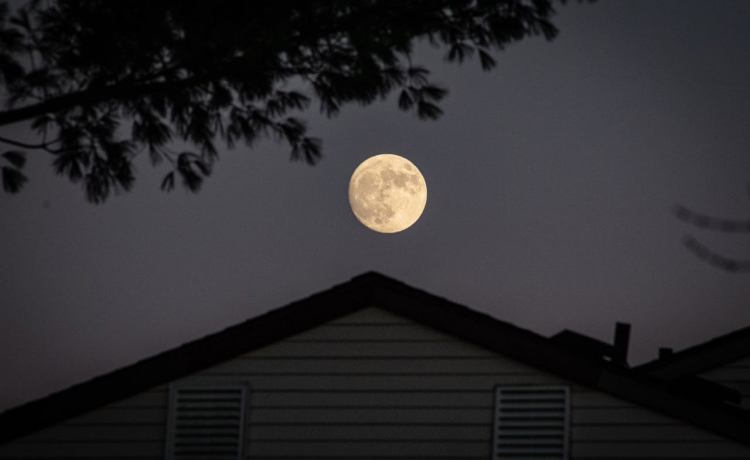
The night sky is calling, and travellers across India are answering in ways we have never seen before. By 2026, the landscape of space tourismin India will look dramatically different. From weekend stargazing getaways to luxury astro-safaris, astronomy-based travel is no longer a niche hobby. It is becoming a mainstream movement.
Why the sudden shift? Urban light pollution has made city skies almost invisible. Delhi residents can see only 20 to 50 stars on a clear night. Meanwhile, remote regions like Sariska offer views of over 4,000 stars under Bortle Class 3-4 skies. Add to this the excitement around ISRO’s Gaganyaan missions and a growing appetite for experiential luxury. The result is a travel trend that blends science, nature, and national pride.
Astroport Sariska invites you to rediscover wonder beneath vast star-lit skies and amidst forested hills. As India’s first astronomy-themed resort, we blend wild-forest charm, wildlife proximity and eco-friendly luxury so you can gaze at the cosmos by night and unwind in serene cottages by day. Perfect for families, couples or anyone craving a nature and stargazing escape.
In this article, we explore seven astronomy travel trends that will define space tourism India by 2026. Whether you are a curious beginner or a seasoned stargazer, these trends will reshape how you experience the cosmos.
Why Space Tourism India Is Gaining Popularity
Space tourism in India is not about rockets or sub-orbital flights for most travellers. Instead, it refers to astronomy-based travel experiences like guided stargazing, dark-sky retreats, and space-themed hospitality. The market is growing fast. The sector is projected to grow at a compound annual growth rate of 43.1 per cent from 2024 to 2030, reaching USD 137.3 million by the decade’s end.
Several factors are driving this boom. First, urban light pollution has reached critical levels. Cities like Delhi and Bangalore rank highest in light pollution coverage, making natural darkness a rare luxury. Second, ISRO’s achievements have sparked national pride. The upcoming Gaganyaan missions are inspiring millions to look up. Third, travellers are shifting from material luxury to experiential luxury. They want one-of-a-kind memories, not just hotel rooms.
The rise of space tourismin India also reflects a broader cultural shift. Families want educational travel. Couples seek romantic, offbeat escapes. Adventure lovers crave unique experiences. Astronomy tourism checks all these boxes.
Q: What is Space Tourism India?
A: Space tourism in India refers to astronomy-based travel like stargazing retreats, dark-sky stays, and space-themed resorts. It does not involve rockets or space flights.
Q: Why is it becoming popular?
A: Urban light pollution, ISRO’s space missions, and the shift toward experiential travel are key drivers. People want unique, educational, and memorable getaways.
Trend 1: Dark Sky Resorts and Stargazing Getaways Are Rising
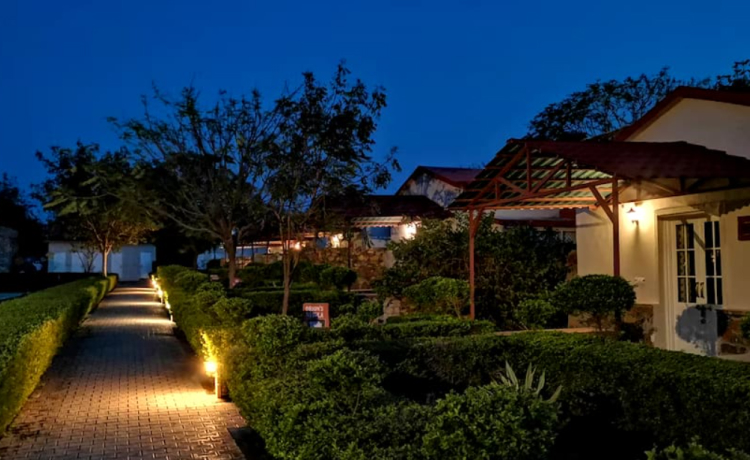
Natural darkness is becoming a scarce commodity. By 2026, travellers will actively seek destinations based on their Bortle Scale rating. The Bortle Scale measures night-sky brightness from 1 (pristine dark) to 9 (city core). Most metros in India fall between Class 8 and 9. In contrast, places like Sariska offer Class 3-4 skies.
What does this mean for stargazers? In a Class 3-4 environment, you can see the Milky Way’s core, distant nebulae, and thousands of stars invisible to city dwellers. Sariska provides a Sky Quality Meter reading of approximately 21.0 to 21.6 mag/arcsec². This unlocks professional-grade astrophotography and deep-sky observation.
What Makes a Destination Dark Sky?
A true dark-sky destination combines low light pollution, high altitude, clear weather, and minimal atmospheric interference. Locations near forests or reserves often benefit from natural buffers against urban glow. Sariska, for example, sits 200 to 215 kilometres from Delhi, far enough to escape the city’s light dome.
Why Rajasthan Is Becoming a Stargazing Hub
Rajasthan’s dry climate and low humidity make it ideal for astronomy. The Aravalli hills provide elevation, and the post-monsoon months offer consistently clear skies. February to May and September to November are prime stargazing months in North India.
Dark-sky resorts are responding to this demand. They use minimal outdoor lighting, provide professional telescopes, and employ trained astronomers. For travellers, this means shifting from casual stargazing to curated celestial journeys.
Trend 2: Family-Friendly Astronomy Experiences
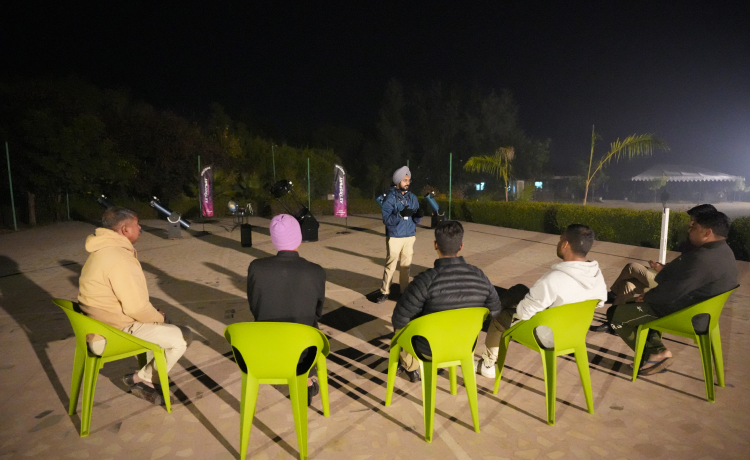
Parents are rethinking family vacations. Instead of theme parks or malls, they want trips that educate and inspire. Astronomy travel fits perfectly. It combines hands-on learning with screen-free bonding.
Learning Astronomy Through Live Telescope Sessions
Professional telescopes reveal details invisible to the naked eye. Families can view Saturn’s rings, Jupiter’s moons, lunar craters, and distant star clusters. Guided sessions explain constellations, planetary motion, and the life cycle of stars. For children, this transforms abstract textbook concepts into tangible experiences.
Why Kids Love Space-Themed Holidays
Children are naturally curious about space. They ask questions like “How far is the Moon?” or “Can we see Mars?” Astronomy resorts answer these questions in real time. Activities like telescope-making workshops, solar viewing withspecialisedd filters, and lunar mapping sessions turn vacations into mini science camps.
STEM-based family expeditions are booming. Parents see these trips as investments in their children’s curiosity and future academic interests.
Quick Facts: Astronomy Travel for Families
- Best age for kids: 6 years and older
- Safety: Fully supervised sessions with trained guides
- What children can see: Moon craters, Saturn’s rings, the Orion Nebula, star clusters
- Educational value: Reinforces physics, geography, and space science concepts
- Ideal duration: 2 to 3 nights for immersive learning
Trend 3: Short Weekend Astro-Escapes from Delhi NCR
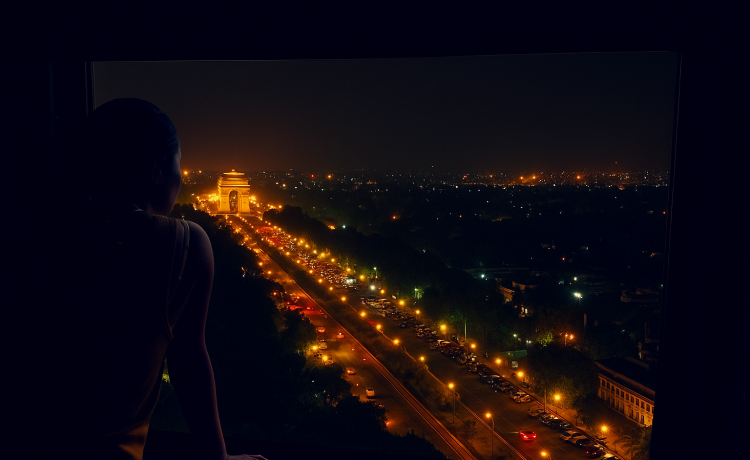
Time is a luxury for urban professionals. Long vacations require planning, leave approvals, and a budget. Weekend getaways solve this problem. By 2026, the demand for 3 to 4-hour drive destinations will surge.
3 to 4 Hour Drive Destinations Near Delhi for Stargazing
Sariska is a prime example. Located in the Alwar district, Rajasthan, it sits roughly 200 kilometres from Delhi. The drive takes 3 to 5 hours, depending on traffic. This proximity makes it ideal for Friday evening departures and Sunday evening returns.
Unlike remote destinations like Hanle or Spiti, which require multi-day treks and acclimatisation, Sariska offers accessibility without compromising sky quality. You get Bortle 3-4 darkness within a comfortable drive.
Blending Jungle Safari and Stargazing
Astroport Sariska is located near the Sariska Tiger Reserve. This allows travellers to combine wildlife safaris by day with stargazing by night. Dawn safaris track tigers and leopards. Dusk sessions explore the cosmos. This “astro-safari” model maximises weekend value.
Luxury hotels will be the only chain scale showing consistent revenue growth by 2026. The key driver is multi-faceted, experience-led stays.
Q: How far is Sariska from Delhi?
A: Sariska is approximately 200 to 215 kilometres from Delhi, a 3 to 5 hour drive depending on traffic.
Trend 4: Luxury Meets Science: Premium Astro-Resorts
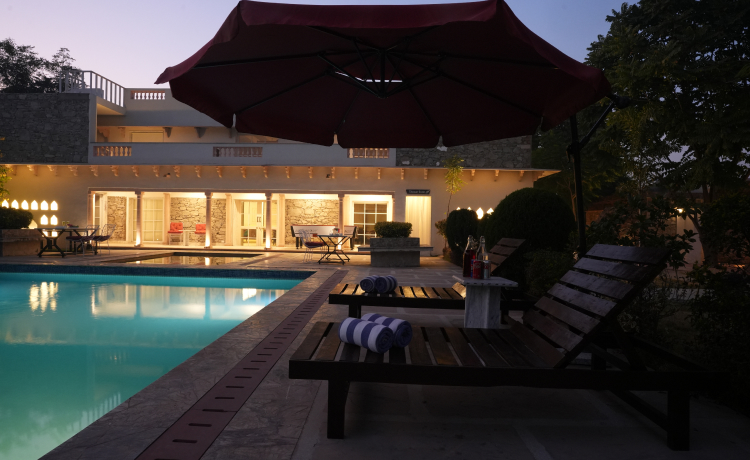
Gone are the days when astronomy meant camping in rough conditions. By 2026, travellers will expect comfort alongside celestial exploration. Premium astro-resorts combine eco-luxury with professional-grade equipment.
Private Cottages, Pools, and Farm-to-Table Dining
Modern astronomy resorts offer private cottages with en-suite bathrooms, air conditioning, and plush bedding. Some feature private pools or garden access. Dining experiencesemphasisee organic, farm-to-table produce. This allows guests to enjoy gourmet meals under the stars.
Professional Telescopes and Guided Astronomy Sessions
The difference between casual and curated stargazing lies in equipment and expertise. High-powered telescopes, often 8 to 12 inches in aperture, reveal planetary details and deep-sky objects. Trained astronomers guide sessions, explaining celestial mechanics and answering questions in real time.
Astroport Sariska provides professional stargazing with high-powered telescopes and guided sessions under some of India’s darkest skies. Guests do not need prior knowledge or equipment. Everything is provided.
High-net-worth individuals currently drive 85.3 per cent of the global space tourism market. However, by 2026, the “HENRY” segment (High Earner, Not Rich Yet) will expand as terrestrial astronomy experiences become more accessible.
Trend 5: Social Media and Astrophotography Tourism
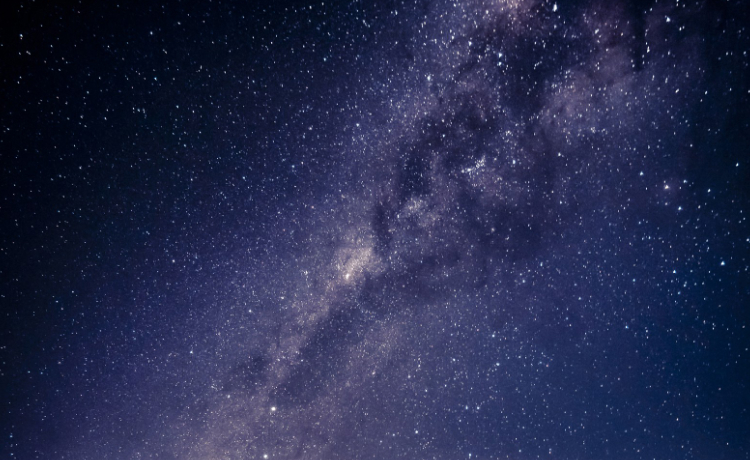
Instagram and YouTube have transformed how people travel. Visuals drive decisions. By 2026, astrophotography will be a major booking driver for astronomy resorts.
Best Seasons for Astrophotography in North India
The Milky Way’s galactic core is visible from late February to early October in the Northern Hemisphere. The core appears vertical and vibrant from June to August. This is the peak season for Milky Way photography.
Meteor showers also drive bookings. The Perseids peak in August under a new moon in 2026, offering excellent visibility. The Geminids in December are famous for their green meteors.
Can Beginners Capture the Milky Way?
Yes. Modern smartphones and entry-level cameras can capture stunning astrophotos with the right guidance. Resorts provide tripods, camera settings advice, and composition tips. Even without professional gear, guests leave with breathtaking images.
Q: Do I need an expensive camera for astrophotography?
A: No. Modern smartphones can capture the Milky Way with proper settings and guidance. Resorts often provide technical support.
Trend 6: Eco-Conscious and Sustainable Travel Choices
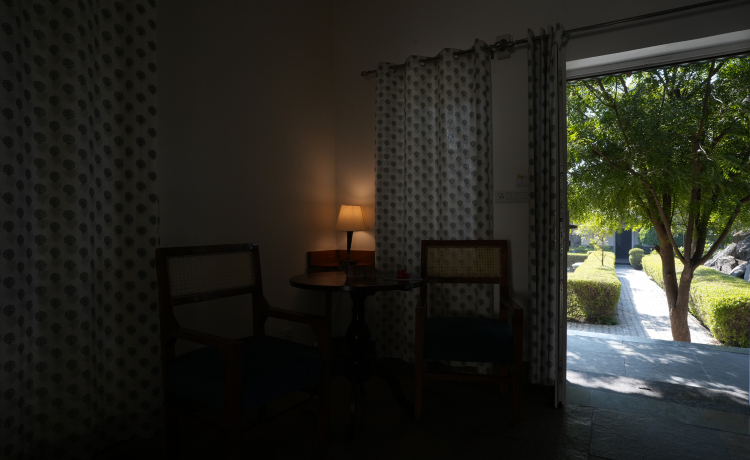
Sustainability is no longer optional. By 2026, travellers will actively choose properties to minimise environmental impact. Astronomy tourism aligns perfectly with this trend.
Why Light Pollution Reduction Matters
Light pollution harms more than stargazing. It disrupts wildlife behaviour, particularly nocturnal species like tigers and leopards. Tourism-driven light pollution in Indian coastal regions is increasing. Dark-sky resorts counteract this by using shielded, low-intensity lighting.
Sustainable Hospitality in Astronomy Tourism
Eco-conscious resorts adopt multiple green practices. Solar power eliminates reliance on fossil fuels. Rainwater harvesting reduces water consumption. Organic farms supply fresh produce. Local employment supports communities.
Astroport Sariska operates on 100 per cent solar power and uses eco-friendly construction materials. Sustainable tourism must integrate conservation, local culture, and visitor experience. Dark-sky preservation falls directly under this mandate.
Trend 7: The Future of Space Tourism in India by 2026
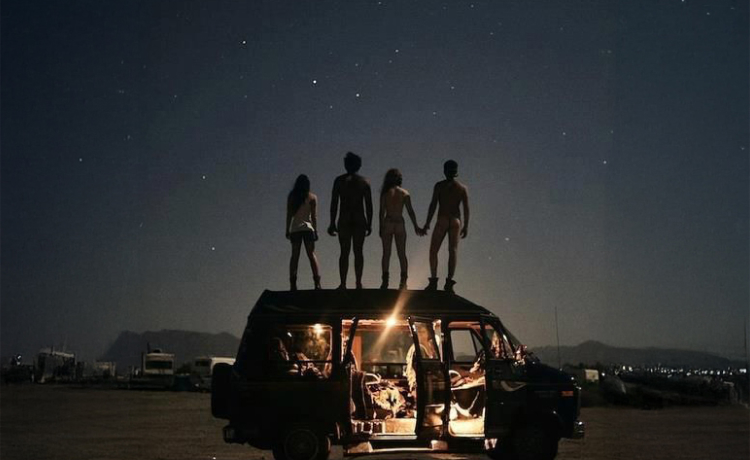
The next few years will be transformative. ISRO’s Gaganyaan program is the single most influential driver of domestic space interest. In March 2026, ISRO plans to launch Gaganyaan-1 (G1), the first uncrewed test flight. This mission will carry the humanoid robot Vyommitra to validate life-support systems.
Will India See Sub-Orbital Tourism?
Global companies like Blue Origin and Virgin Galactic already offer sub-orbital flights. Tickets cost around USD 600,000. By 2026, India’s private space sector, including Skyroot Aerospace and Agnikul Cosmos, willbe preparede for commercial orbital launches. 2026 could be India’s private space take-off year.
However, sub-orbital tourism remains financially out of reach for most travellers. Terrestrial astronomy resorts offer a more accessible gateway. They provide the “Overview Effect” experience—the profound cognitive shift from viewing Earth and space—without the cost or risk.
Why Now Is the Best Time to Experience Space Tourism in India
The convergence of ISRO achievements, private sector growth, and experiential travel demand creates a unique moment. Early adopters will shape how space tourismin India evolves. Resorts investing in dark-sky preservation and professional equipment today will dominate the market tomorrow.
The global space tourism market is projected to reach USD 3.15 billion by 2031, growing at a 16.52 per cent CAGR. India’s market, however, is growing at 43.1 per cent CAGR, significantly outpacing the global average.
Q: Is space tourism in India only for wealthy travellers?
A: No. While sub-orbital flights are expensive, terrestrial astronomy experiences cost Rs 8,000 to Rs 15,000 per night, accessible to middle-class families.
Why Astroport Sariska Is at the Heart of India’s Astronomy Travel Movement
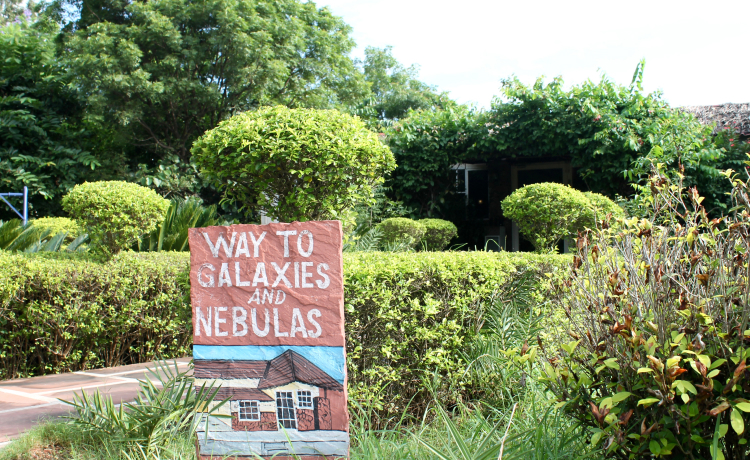
Astroport Sariska is not just riding the wave—it is helping create it. As India’s first astronomy-themed resort, we combine professional stargazing, eco-luxury hospitality, and wildlife proximity in one destination.
Our unique offerings include:
- Dedicated astronomy sessions: Professional telescopes and trained astronomers guide you through constellations, planets, and deep-sky objects.
- Proximity to Sariska Tiger Reserve: Blend jungle safaris with stargazing for a complete nature experience.
- Eco-conscious luxury: 100 per cent solar-powered cottages, organic farm-to-table dining, and low-light policies to preserve dark skies.
- Accessible location: Just 3 to 4 hours from Delhi NCR, making weekend getaways effortless.
We are nestled near the Aravalli hills, offering Bortle 3-4 skies rarely found so close to major cities. Whether you want to photograph the Milky Way, teach your children about the solar system, or simply escape urban noise, we provide the perfect setting.
Quick Facts About Astronomy Travel in India
- Best months for stargazing: October to March for clear skies; June to August for peak Milky Way visibility
- Ideal trip duration: 2 to 3 nights for a complete experience
- Travel time from Delhi to Sariska: 3 to 5 hours by car
- What you can see: Moon craters, Saturn’s rings, Jupiter’s moons, the Milky Way, star clusters, nebulae
- Ideal for: Families with children 6 and above, couples, adventure lovers, photography enthusiasts, STEM learners
Frequently Asked Questions About Space Tourism in India
Q: What is Space Tourism India?
A: Space tourism in India refers to astronomy-based travel experiences like guided stargazing, dark-sky stays, and space-themed resorts. It does not involve rockets or space flights.
Q: Where can I experience space tourism in India near Delhi?
A: You can experience it at astronomy resorts near Rajasthan’s Sariska region, approximately 200 kilometres from Delhi.
Q: What is the best time for stargazing in Rajasthan?
A: October to March offers the clearest skies. June to August is ideal for Milky Way photography.
Q: Is astronomy travel suitable for children?
A: Yes. Guided sessions make it educational and safe for kids aged 6 and above. Children can view planets, moon craters, and constellations.
Q: Can I see the Milky Way in India?
A: Yes. In low-light pollution regions like Sariska, the Milky Way is visible from late February to early October, with peak visibility in June to August.
Q: Do I need special equipment for astronomy travel?
A: No. Resorts provide professional telescopes and guided sessions. You do not need prior knowledge or equipment.
Q: How does space tourism in India differ from global space tourism?
A: Global space tourism involves sub-orbital or orbital flights costing hundreds of thousands of dollars. Space tourism India focuses on accessible, terrestrial astronomy experiences for all budgets.
Final Thoughts: The Sky Is No Longer the Limit
By 2026, space tourism in India will be a mature, well-defined sector. The stars are no longer distant. They are destinations. Whether you seek education, adventure, romance, or simply a break from urban chaos, astronomy travel offers something profound.
The trends we have explored—dark-sky resorts, family STEM experiences, weekend escapes, luxury astro-safaris, astrophotography, sustainability, and ISRO-inspired pride—are reshaping how we connect with the cosmos. Early adopters will not just witness this shift. They will be part of it.
Book your stargazing stay at Astroport Sariska and experience space tourism in India firsthand. Let us show you a sky you have never seen before.