
What Is Dark Sky Tourism? Why It’s Rising in India
Have you noticed something strange about city nights lately? They never really get dark. That orange glow above Delhi, Mumbai, or Bengaluru is not a natural sunset. It is light pollution, and it has stolen something precious from us: the stars.
Most urban Indians today have never seen the Milky Way with their own eyes. Research shows over 80% of the world’s population now lives under skyglow, with artificial brightness drowning out the night sky. In cities like Delhi, you can barely spot 20 stars on a clear night. Yet just a few hours away, thousands of stars await in darker skies.
This loss has sparked a global travel trend called dark sky tourism, or noctourism. People are now traveling specifically to see natural dark skies, witness the Milky Way, and reconnect with the cosmos. India is catching up fast, with new dark sky reserves, stargazing resorts, and astronomy-focused getaways emerging across the country.
Astroport Sariska invites you to rediscover wonder beneath vast star-lit skies and amidst forested hills. As India’s first astronomy-themed resort, we blend wild-forest charm, wildlife proximity and eco-friendly luxury so you can gaze at the cosmos by night and unwind in serene cottages by day. Perfect for families, couples or anyone craving a nature and stargazing escape.
In this guide, you will learn what dark sky tourism really means, why it matters for your health and happiness, and how a dark sky resort India experience at Astroport Sariska can transform a simple weekend into an unforgettable journey under the stars.
Quick Answer: What Is Dark Sky Tourism?
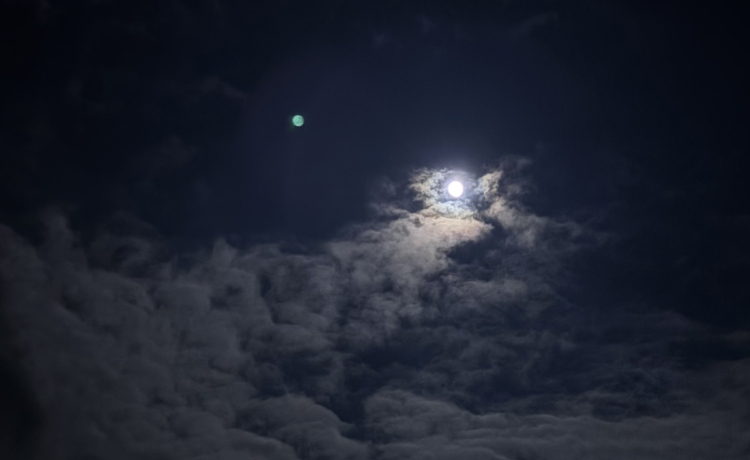
Dark sky tourism means traveling to places with very little light pollution so you can see a natural, star-filled night sky. Instead of just visiting a hill station for views, dark sky travelers seek destinations designed for stargazing: minimal artificial lights, clear skies, professional telescopes, and expert guides who teach you about constellations, planets, and deep-sky wonders like nebulae and galaxies.
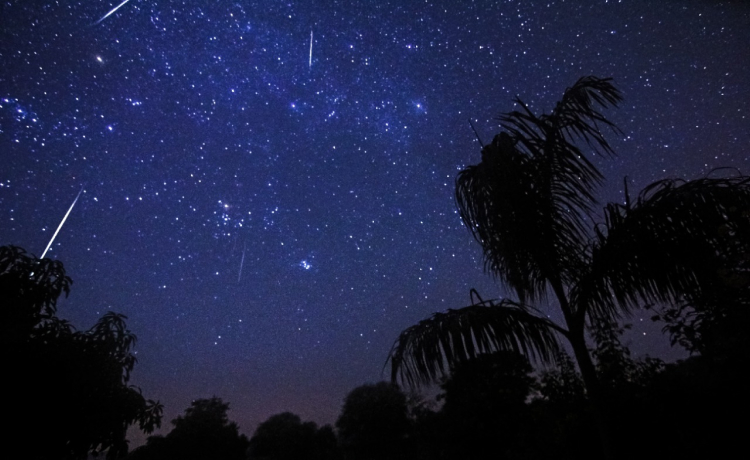
Think of it as the opposite of city life. In urban areas, excess lighting washes out the stars. Dark sky tourism takes you to protected or remote locations where the night sky looks the way it did centuries ago, full of texture and depth. You might see meteor showers, the glowing band of the Milky Way, or Saturn’s rings through a telescope.
This type of travel is growing because light pollution has increased dramatically worldwide. A study tracking India from 1993 to 2013 found massive increases in artificial light, especially in cities like New Delhi and Bengaluru. As urban skies grow brighter, the desire to escape and see true darkness has become a luxury experience.
How Dark Sky Tourism Is Different From A Regular Hill Station Trip
You might wonder: is not a regular mountain holiday enough for good stargazing? Not quite. Here is the difference.
A typical hill station trip focuses on daytime sightseeing, cool weather, and perhaps a nice view from your hotel balcony. Stargazing, if it happens, is accidental. You might glance up and see a few stars, but nobody explains what you are looking at.
A dark sky tourism trip is intentional. The destination is chosen for its low light pollution. The resort or camp actively controls outdoor lighting, using shielded lamps and warm-toned lights that do not spill into the sky. You get access to high-quality telescopes, not toy versions. Trained astronomy educators guide your sessions, teaching you to spot constellations, track planets, and photograph the Milky Way.
Activities revolve around the night sky: constellation walks, astrophotography workshops, meteor shower viewings, and even telescope-building sessions for kids. It is immersive, educational, and designed to make you fall in love with the cosmos.
Why Our Night Skies Are Disappearing (And Why Travellers Care)
Light pollution is the excessive or misdirected artificial light that brightens the night sky. It comes from streetlights, billboards, buildings, and vehicles. When light scatters in the atmosphere, it creates skyglow, that hazy orange dome you see above cities.
This skyglow is not just annoying. It has real consequences. Scientists divide light pollution into three types: skyglow (the general brightening of the sky), glare (harsh, blinding lights), and light trespass (unwanted light entering homes or nature areas). All three disrupt ecosystems, confuse wildlife, and harm human health.
Here is the health angle: artificial light at night, especially blue-rich LED light, suppresses melatonin production. Melatonin is the hormone that regulates your sleep-wake cycle. A 2022 study by AIIMS Delhi found 40% higher rates of sleep disorders in urban residents exposed to outdoor light levels above 300 lux after 9 PM. Chronic exposure is also linked to anxiety and mood disturbances in adolescents.
Travelers care because looking up at a sky full of stars is not just beautiful. It is restorative. It resets your circadian rhythm, reduces stress, and offers a screen-free, nature-based experience. Dark sky tourism has become a wellness trend, where people seek true darkness to sleep better and feel calmer.
The Global Dark Sky Movement and Dark Sky Resorts
The international organization DarkSky International leads the movement to protect night skies. They certify places into categories like Dark Sky Parks, Dark Sky Reserves, and Dark Sky Sanctuaries based on sky darkness and community efforts to reduce light pollution.
A Dark Sky Resort is a hotel or property that takes this seriously. It uses low-impact lighting, shields outdoor lamps, and designs guest experiences around the night sky. These resorts provide telescopes, host astronomy sessions, and educate guests on why darkness matters.
India is now joining this movement, with certified Dark Sky Places emerging and resorts like Astroport Sariska pioneering astronomy-focused hospitality.
The Rise Of Dark Sky Tourism In India
India is catching up fast with global dark sky trends. The country now has its first official Dark Sky Reserve at Hanle in Ladakh, where the night sky is pristine and the Milky Way is bright enough to cast shadows. Pench Tiger Reserve in Maharashtra became India’s first Dark Sky Park in January 2024, blending wildlife conservation with astronomy.
Beyond these certified sites, dark sky tourism is spreading across deserts, mountains, and islands. Rajasthan’s Thar Desert, Spiti Valley in Himachal Pradesh, and even the Andaman Islands are attracting stargazers. This fits into a broader trend called noctourism, which includes night safaris, moonlit treks, and cooler evening travel experiences.
Why the sudden interest? Rapid urbanization is the main driver. As cities expand, light pollution grows, and people lose their connection to the night sky. At the same time, Indian travelers are seeking more meaningful, experience-based trips. A weekend under the stars feels special, rare, and worth planning around.
India’s First Dark Sky Reserve And Other Stargazing Hotspots
Hanle in Ladakh is India’s crown jewel for stargazing. At over 4,500 meters altitude, it offers Bortle Class 1 skies, the darkest rating possible. The Milky Way appears so vivid here that it lights up the landscape.
Other top spots include Spiti Valley, known for its high-altitude clarity and Buddhist monasteries. The Thar Desert near Jaisalmer offers wide-open horizons perfect for meteor showers. Pench combines tiger sightings with stargazing, making it ideal for wildlife lovers.
But here is the catch: most of these destinations require long travel times, high-altitude acclimatization, or expedition-level planning. For families and weekend travelers from Delhi or North India, accessibility is a challenge.
That is where a dark sky resort India like Astroport Sariska becomes the smart choice. You get excellent sky quality without the extreme conditions or long journeys.
So What Exactly Is A Dark Sky Resort In India?
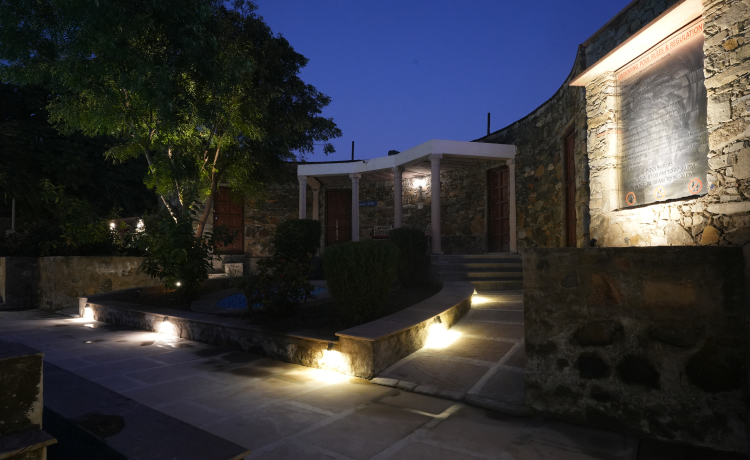
A dark sky resort India is a stay designed specifically for stargazing. It goes beyond just having a nice view. The location is chosen for low light pollution. The property actively controls outdoor lighting, using warm tones and shielded fixtures to minimize skyglow. Guests get access to professional-grade telescopes, not basic models.
Most importantly, staff are trained in astronomy. They guide viewing sessions, explain what you are seeing, and teach you to use equipment. The schedule revolves around the night sky, with activities like constellation tours, astrophotography workshops, and meteor shower viewings.
These resorts also embrace eco-friendly practices. They use solar power, organic farming, and sustainable waste management. The goal is to protect both the environment and the night sky for future generations.
Even if a resort is not officially certified by DarkSky International, it can still function as a dark sky destination if it meets these criteria.
Features That Make A True Dark Sky Resort
Here is what to look for when choosing a dark sky resort India:
Remote or nature-surrounded location: The resort should be far from city lights, ideally surrounded by forests, hills, or deserts. This ensures low light pollution and clear horizons.
Controlled outdoor lighting: Look for properties that use shielded, downward-facing lights in warm tones (amber or red). They should dim or turn off lights during stargazing hours.
Professional astronomy equipment: High-quality telescopes with large apertures (10 inches or more) allow you to see faint objects like nebulae and galaxies. Binoculars and star charts are useful extras.
Trained astronomy educators: Staff should include astronomers or trained guides who can teach guests, not just point at stars. They should explain constellations, help with astrophotography, and answer questions.
Night-friendly activity schedule: The resort should plan activities around moon phases, meteor showers, and planet visibility. Sessions should start after twilight and run late into the night.
Eco-conscious operations: Sustainable practices like solar power, organic food, and waste management show the resort respects both nature and the sky.
Before booking, ask the property about these features. A serious dark sky resort will proudly share details about their equipment, staff, and lighting policies.
Why Astroport Sariska Feels Like A Dark Sky Resort India Near Delhi NCR
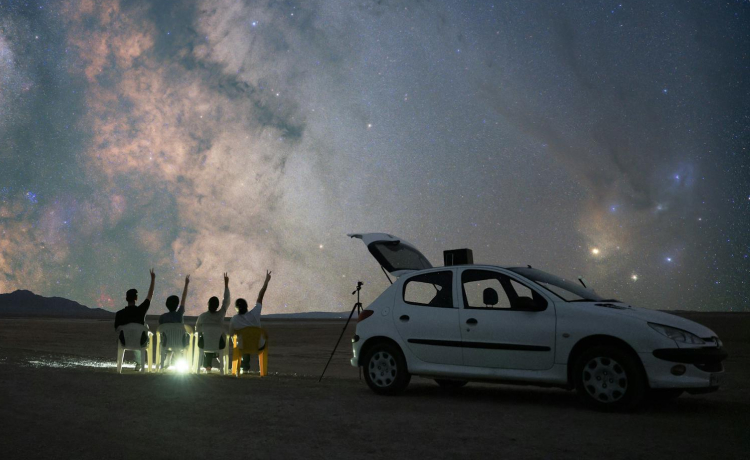
Astroport Sariska checks every box for a dark sky resort India. Located near Tehla and Roopbas in Alwar district, it sits at the edge of the Sariska Tiger Reserve, surrounded by Aravalli hills and open farmland. This location provides Bortle Class 4 skies, one of the darkest ratings you can find within a comfortable drive from Delhi.
What sets Astroport apart is its astronomy-first design. The resort was built specifically for stargazing, not as an afterthought. Every element, from the lighting to the staff training, revolves around helping guests experience the night sky.
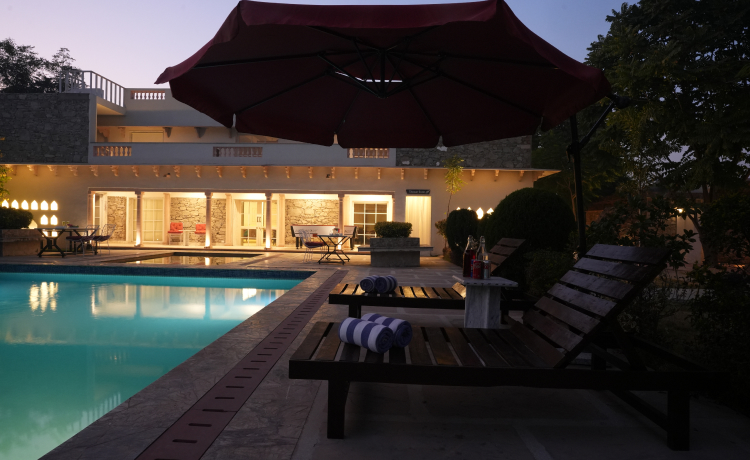
Families and couples love the mix of nature, wildlife, and stars. You can take a morning safari in Sariska Tiger Reserve, relax by the pool in the afternoon, and spend your evening under a telescope learning about Saturn’s rings. It is a complete getaway, not just a one-note experience.
Location & Sky Quality: One Of The Darkest Skies Near Delhi
Astroport Sariska is roughly 200 to 215 kilometers from Delhi, a drive of 3 to 4 hours via the Old Jaipur Highway (NH48). The route through Alwar is smooth and safe for families.
The resort sits in a rural area with minimal artificial light. The Aravalli hills block light domes from Delhi and Jaipur. On moonless nights, the Milky Way appears as a textured band stretching across the sky. You can see thousands of stars with your naked eyes, and deep-sky objects like the Andromeda Galaxy become visible through telescopes.
For context, Delhi has a Bortle Class 9 sky, the brightest and worst rating. You see fewer than 20 stars. Sariska offers Bortle Class 4, where over 4,000 stars become visible. The difference is not incremental. It is transformative.
Parents love that the location is safe and accessible. You do not need special permits, high-altitude gear, or extreme travel conditions. Just pack your bags and drive.
Guided Astronomy Sessions, Telescopes & Hands-On Learning
Astroport Sariska uses 16-inch Dobsonian telescopes, professional-grade instruments that collect thousands of times more light than the human eye. With these, you can see the Cassini Division in Saturn’s rings, the Great Red Spot on Jupiter, and the swirling structure of the Orion Nebula.
The staff are not just hospitality workers. They are trained astronomers who explain the sky in simple, relatable terms. One guest review mentioned a guide using a pizza analogy to explain black holes, making complex science fun for kids.
Activities include constellation tours, where guides teach you to navigate the sky using stars. You can try astrophotography workshops, learning to capture the Milky Way with your camera. Kids love the hydro-air rocketry sessions and telescope-making workshops, which teach how lenses and mirrors work.
Even daytime offers astronomy. Staff conduct sunspot observation sessions using safe solar filters, showing you solar flares and sunspots on the Sun’s surface.
Nature, Wildlife & Night Skies In One Trip
One of Astroport Sariska‘s biggest advantages is its proximity to Sariska Tiger Reserve. You can book morning or afternoon safaris to spot tigers, leopards, deer, and over 200 bird species. Nature walks and treks in the Aravalli hills add variety.
This combination is rare. Most astronomy destinations focus solely on the sky. Astroport gives you a full nature experience. You explore jungles by day and galaxies by night. It is perfect for families where some members want wildlife action and others want star time.
Bird watchers appreciate the resort’s natural setting. The area hosts peacocks, eagles, owls, and migratory species. Early morning walks with binoculars are popular.
Stay Experience: Cottages, Pool, Private Pool Options & Farm-To-Table Dining
Astroport Sariska offers different types of accommodation. The Galaxia units are royal family-style tents with king-size beds, perfect for families. The Nebulae cottages are larger, sleeping up to eight adults. For a luxury touch, private-pool cottages offer seclusion and comfort.
All rooms have air conditioning, tea and coffee makers, minibars, and private sit-out areas. The design is rustic yet premium, blending comfort with a natural aesthetic. You feel close to nature without sacrificing modern conveniences.
The resort runs entirely on solar power and follows a strict no-plastic policy. They have an organic farm and dairy, supplying fresh vegetables, milk, and poultry for the restaurant. Meals are farm-to-table, focusing on North Indian and Rajasthani cuisine like dal baati churma and gatte ki sabzi.
Guests consistently praise the food quality and hygiene. The restaurant, sometimes called Orbit, serves seasonal menus based on what is harvested. Dining under the stars with minimal lighting adds to the experience.
The pool and gardens provide daytime relaxation. You can lounge, read, or nap between safari and stargazing sessions.
Who Is Dark Sky Tourism Perfect For?
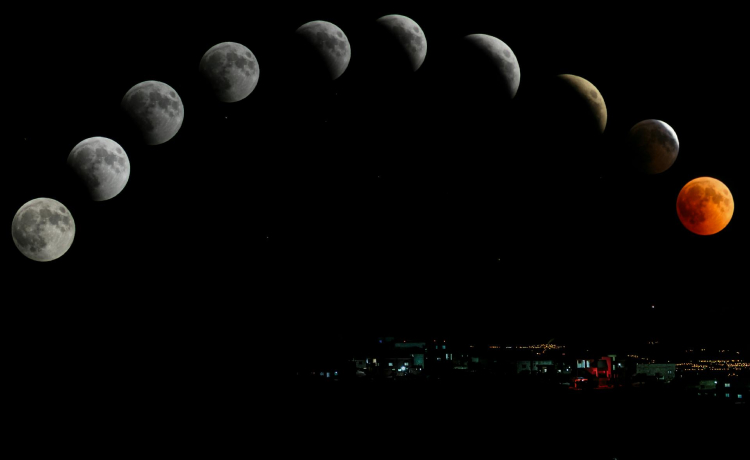
Dark sky tourism appeals to a wide audience. You do not need to be a science expert or hardcore astronomer to enjoy it. Here is how different types of travelers benefit.
Families With Curious Kids
Kids thrive on hands-on learning. At Astroport Sariska, children get to look through professional telescopes, launch water rockets, and learn about space in simple, fun ways. Guides use relatable analogies and interactive sessions to make astronomy exciting, not boring.
Parents appreciate the safe, enclosed campus. You can move around at night without worrying. The resort has fixed activity timings and family-friendly rooms. Kids get screen-free nights, which many parents see as a bonus. They return home with new knowledge and a sense of wonder.
One review noted how a seven-year-old learned to spot Orion’s Belt and proudly showed it to her grandparents later.
Couples, Friends & Stargazing Newbies
For couples, dark sky tourism offers romance and novelty. Imagine sitting by a pool under thousands of stars, sipping tea by candlelight, and learning constellations together. It is quieter and more intimate than crowded tourist spots.
Friends groups enjoy the mix of activities. You can trek during the day, relax by the pool, and spend evenings stargazing. No pressure to be an expert. The staff meet you at your level and make learning fun.
Even if your partner or friends are not science-minded, the sheer beauty of a dark sky is enough. Seeing the Milky Way for the first time is a powerful experience that needs no explanation.
Serious Stargazers, Solo Travellers & Astrophotographers
Experienced astronomers and astrophotographers appreciate the dark skies and professional equipment. Astroport Sariska offers Bortle Class 4 conditions, ideal for capturing deep-sky objects and the Milky Way. You can bring your own camera gear, tripod, and lenses. The property provides safe, tripod-friendly spaces for long-exposure photography.
Solo travelers find the environment peaceful and accommodating. You can spend hours under the stars without disturbance. The staff respect your space while being available for technical help.
Repeat visitors often time their trips around new moon phases and meteor showers for optimal viewing.
How To Plan Your First Dark Sky Getaway At Astroport Sariska
Planning a dark sky trip is easier than you think. Here is a step-by-step guide to make your first stargazing weekend smooth and memorable.
Best Season, Weather & Moon Phases For Dark Skies
The ideal months for stargazing at Astroport Sariska are October to March. Winter air is cold, dry, and stable, offering the best transparency and clarity. Nights are longer, so you get more viewing time.
The moon phase is critical. The best viewing happens during the new moon, roughly 4 days before to 4 days after. During this period, the sky is darkest and the Milky Way is visible. Full moon nights wash out faint stars and galaxies, though they do offer beautiful views of the Moon itself through telescopes.
If you are flexible, book your trip around a new moon weekend. Check lunar calendars online or ask the resort for recommendations.
Weather matters too. Rajasthan’s winter is mostly clear, but cloudy nights can happen. The resort often reschedules activities or offers alternate programs if clouds block the sky.
How To Reach From Delhi NCR & Nearby Cities
Astroport Sariska is about 200 to 215 kilometers from Delhi. The drive takes 3 to 4 hours via the Old Jaipur Highway (NH48), passing through Dharuhera, Bhiwadi, Alwar, and Tehla. This route is smooth and family-friendly.
Avoid the new Delhi-Mumbai Expressway for now. While it is a modern highway, connecting roads to Sariska are still under development and can be rough.
If you prefer trains, take the Ajmer Shatabdi from New Delhi Railway Station. It reaches Alwar Junction in about 2 hours and 35 minutes. From Alwar, the resort is a 1-hour taxi ride (about 58 kilometers).
From Jaipur, the drive is shorter, roughly 2 to 3 hours. This makes Astroport accessible for North Indian travelers from Delhi, Gurgaon, Noida, Faridabad, Jaipur, and even Chandigarh.
What To Pack For A Dark Sky Holiday (Simple Checklist)
Packing for a stargazing trip is straightforward. Here is what you need:
Warm clothing: Even if days are pleasant, Rajasthan nights can be cold, especially from November to February. Pack thermal wear, a warm jacket, and a shawl or blanket.
Closed shoes: You will walk outdoors at night. Comfortable sneakers or hiking shoes are better than sandals.
Red-light torch or dim flashlight: Red light preserves night vision better than white light. Many stargazers carry small red LED headlamps.
Binoculars (optional): If you have binoculars, bring them. They are great for wide-field sky scanning. The resort provides telescopes, but binoculars add flexibility.
Camera and tripod (optional): If you want to try astrophotography, bring a DSLR or mirrorless camera, a sturdy tripod, and a remote shutter release. Staff can help with settings.
Basic medicines and toiletries: Carry any personal medications, sunscreen, and insect repellent.
Power bank: You may want to charge devices or cameras during your stay.
Curiosity: The most important thing. Bring an open mind and a willingness to learn.
Sample 2-Day Dark Sky Itinerary From Delhi
Here is a simple itinerary to maximize your weekend:
Day 1:
Leave Delhi early, around 7 AM or 8 AM. Reach Astroport Sariska by 11 AM or noon. Check into your cottage and freshen up. Have lunch at the resort. Relax by the pool or explore the property. In the late afternoon, take a short nature walk or visit the organic farm. Watch the sunset from a viewpoint. After dinner, attend the introductory astronomy session. Guides explain the night sky, show constellations, and let you look through telescopes. Spend time stargazing and asking questions. Return to your room by midnight.
Day 2:
Wake up early for a morning safari in Sariska Tiger Reserve (optional, book in advance). Return to the resort for breakfast. Spend the late morning relaxing, swimming, or taking a nature trek. Have lunch and rest during the afternoon. In the evening, join an astrophotography session or advanced telescope viewing. Guides help you capture the Milky Way or deep-sky objects. Enjoy a final stargazing session before packing up. Check out the next morning after breakfast and drive back to Delhi.
This itinerary balances wildlife, relaxation, and astronomy, making it ideal for families and couples.
Quick Facts: Dark Sky Resort India
Here is a quick reference block for easy planning:
What is a dark sky resort? A stay designed for stargazing, with dark surroundings, low light pollution, professional telescopes, and astronomy guides.
What is the Bortle Scale? A 9-point scale measuring sky darkness. Delhi is Class 9 (brightest). Sariska is Class 4 (rural dark sky, Milky Way visible).
Best months for stargazing in India: October to March, especially around new moon nights.
Ideal moon phase: New moon (4 days before to 4 days after) for the darkest skies and best Milky Way views.
Why Astroport Sariska? Bortle Class 4 skies, 16-inch Dobsonian telescopes, trained astronomers, proximity to Sariska Tiger Reserve, eco-friendly cottages, only 3 to 4 hours from Delhi NCR.
Do I need prior knowledge? No. Staff guide you through everything in simple language.
Is it safe for kids? Yes. The campus is secure, and activities are family-friendly with set timings.
FAQs About Dark Sky Tourism And Dark Sky Resort India
Q: What is dark sky tourism in simple words?
A: Dark sky tourism means traveling to places with very little light pollution so you can see a sky full of stars, planets, and the Milky Way, often with telescopes and guided sessions.
Q: What is a dark sky resort India and how is it different from a normal resort?
A: A dark sky resort India is a stay designed around stargazing, with darker surroundings, controlled outdoor lights, telescopes, and astronomy experts, instead of just views and a pool.
Q: Do I need to be an astronomy expert to enjoy dark sky tourism at Astroport Sariska?
A: Not at all. Our educators explain everything in simple terms so you can just show up curious and enjoy the sky.
Q: When is the best time to visit Astroport Sariska for stargazing?
A: Clear, cooler months around new moon nights are usually best for dark skies, but even moonlit nights offer beautiful views of the Moon and bright planets.
Q: Is dark sky tourism safe for families with kids?
A: Yes. At Astroport Sariska, you stay inside a secure campus with set timings and guided sessions, so kids can safely enjoy the night sky with you.
Q: What should I pack for a dark sky holiday in Rajasthan?
A: Pack light layers, a warm jacket for evenings, closed shoes, a small torch, and if you like, binoculars or a camera and tripod.
Q: How far is Astroport Sariska from Delhi NCR?
A: Astroport Sariska is roughly a 3 to 4 hour drive from Delhi NCR via NH48, making it an easy weekend dark sky getaway.
Ready To Experience A Dark Sky Resort Near Delhi NCR?
Imagine standing under a sky so full of stars you can barely find the familiar constellations. Imagine your child pointing at Saturn’s rings through a telescope, eyes wide with wonder. Imagine sleeping in true darkness for the first time in years, waking up refreshed and calm.
This is not a distant dream. It is a weekend away.
Dark sky tourism is rising in India because people are rediscovering what they have lost: the night sky. As cities grow brighter, the need to escape into darkness becomes more urgent. A dark sky resort India like Astroport Sariska offers exactly that. Dark skies checked by science (Bortle Class 4), professional astronomy sessions, immersive nature experiences near Sariska Tiger Reserve, and eco-conscious hospitality that respects both the earth and the stars.
Whether you are a curious family, a couple seeking something special, or a solo traveler chasing the Milky Way, Astroport Sariska welcomes you.
Book your dark sky weekend now. Visit [astroportsariska.com] to check new moon dates, explore astronomy packages, and plan your escape under the stars.