
Astronomy Resort Near Delhi: 9 Things That Make Astroport Unique
Have you ever looked up at the Delhi sky at night and wondered where all the stars went? Light pollution has stolen our view of the cosmos. But just a few hours away, you can rediscover thousands of stars, witness the Milky Way stretch across the sky, and see Saturn’s rings through a powerful telescope. Welcome to Astroport Sariska, an astronomy resort near Delhi that brings the universe within your reach.
Astroport Sariska invites you to rediscover wonder beneath vast star-lit skies and amidst forested hills. As India’s first astronomy-themed resort, we blend wild-forest charm, wildlife proximity and eco-friendly luxury so you can gaze at the cosmos by night and unwind in serene cottages by day. Perfect for families, couples or anyone craving a nature and stargazing escape.
In this guide, we explore nine unique aspects that set Astroport Sariska apart from any other weekend getaway near Delhi. From professional telescope sessions to the rare combination of jungle safaris and galaxy viewing, you will understand why this destination has become the top choice for stargazing enthusiasts.
Why Choose an Astronomy Resort Near Delhi Instead of a Regular Weekend Getaway?
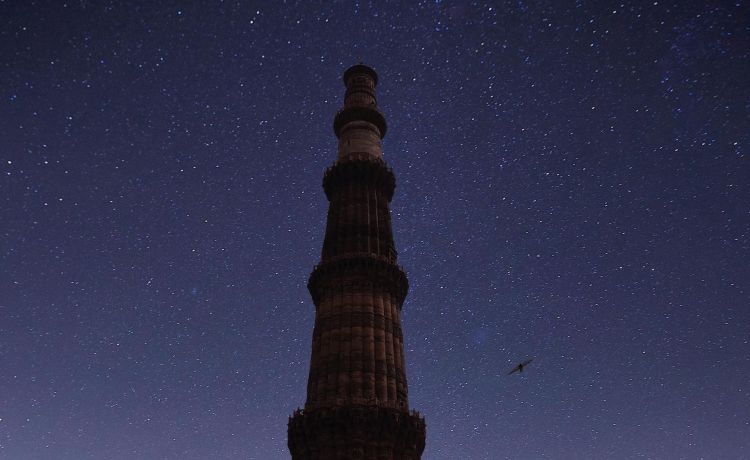
Most weekend trips from Delhi follow a predictable pattern. You drive to a hill station, check into a hotel, eat at the restaurant, maybe visit a mall or viewpoint, and return home. These trips offer relaxation but rarely deliver meaningful experiences or learning moments for your family.
An astronomy resort near Delhi changes this equation entirely. Instead of passive sightseeing, you engage actively with nature and science. You learn why stars twinkle, see planets up close, and understand your place in the universe. Children put down their screens voluntarily because what they see through a telescope beats any video game.
Light Pollution vs Dark Skies: Why Your Stargazing Fails in the City
Delhi registers as Class 9 on the Bortle Dark-Sky Scale, the highest level of light pollution. This means you can see only about 20 stars on a clear night. The Milky Way, visible to 99 percent of human history, has vanished from city skies.
Astroport Sariska sits in a Class 3 to 4 zone. Here, over 4,000 stars become visible to the naked eye. The difference is not subtle. It transforms your entire perception of the night sky. Darkness has become a rare luxury, and this resort protects it carefully.
How Far is Astroport Sariska from Delhi NCR and How Easy is the Drive?
The resort sits approximately 200 to 220 kilometers from Delhi. Most guests complete the drive in 4 to 5 hours, depending on traffic and your starting point in NCR.
The route typically follows NH-48 through Gurgaon and Bhiwadi, then continues via state highways to Alwar and finally to Tehla. The last stretch involves rural roads that signal your arrival into genuine wilderness. This journey itself becomes part of the experience, a transition from urban chaos to natural calm.
Thing 1: Professionally Guided Telescope Sessions Under Dark Skies
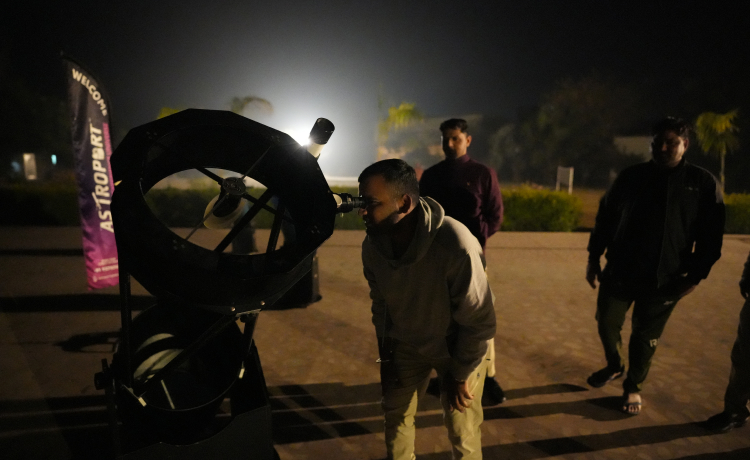
Many resorts claim to offer stargazing. They place a basic telescope on the lawn and call it an amenity. Astroport Sariska takes a completely different approach.
The resort operates 16-inch Dobsonian telescopes. These instruments collect roughly 5,000 times more light than your naked eye. This means you see objects invisible to smaller telescopes or binoculars.
Every session includes a resident astronomer who guides you through the sky. They use green laser pointers to trace constellations and explain what you observe. They answer questions in simple language, making complex astronomy accessible to complete beginners.
Quick Facts: What Makes Our Telescopes Special
- 16-inch aperture gathers maximum light for clear views
- Computerized tracking mounts keep objects centered
- Multiple telescopes available for simultaneous viewing
- Astrophotography equipment for capturing your own images
- Red-light zones protect your night vision
What You Can Expect to See Through the Telescope in Each Season
Winter (October to February): The Orion Nebula reveals pink and purple clouds where stars are born. The Pleiades star cluster sparkles like diamonds on velvet. Saturn’s rings appear sharp and distinct. The Andromeda Galaxy shows as a faint smudge, our nearest galactic neighbor.
Spring (March to May): This becomes galaxy season. The Leo Triplet and Virgo Cluster offer views into deep intergalactic space. Jupiter dominates the evening sky with its four largest moons visible.
Summer (May to June): The Milky Way core rises after sunset, revealing the most spectacular view of our galaxy. The Lagoon and Trifid nebulae become prime targets. Heat can cause some atmospheric shimmer, but the galactic center makes it worthwhile.
Monsoon (July to September): Cloud cover limits sky viewing, but when breaks appear, they offer crystal-clear conditions with washed air.
Thing 2: India’s First Full-Fledged Astronomy-Themed Resort Experience
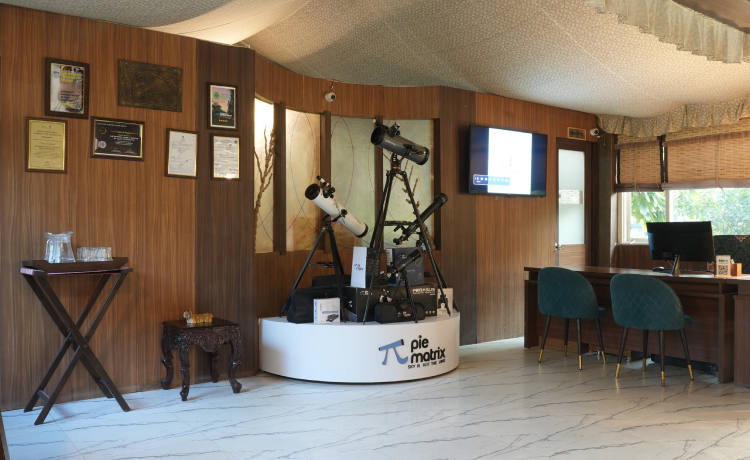
Astroport Sariska did not add telescopes to an existing resort. The entire property was designed from the ground up for astronomy.
Open lawns provide unobstructed horizon views. Observing decks are strategically positioned. Red lights replace white lights in pathways to preserve night vision. Even the room placement considers sky access from private balconies.
This astronomy resort near Delhi treats stargazing as the core experience, not an afterthought. Every design decision supports the mission of connecting guests with the cosmos.
Built for Stargazing: Design, Layout, and Facilities
The architecture blends into the Aravalli landscape using local stone and earth tones. Buildings stay low to avoid blocking sky views. Minimal exterior lighting prevents light pollution on the property itself.
The central lawn serves as the main observation area, accommodating up to 50 guests comfortably during peak sessions. Smaller private viewing spots let couples enjoy quiet moments under the stars.
Indoor facilities include a small planetarium for cloudy nights and educational workshops. A library stocks astronomy books and star charts. Even the restaurant timing adjusts around peak stargazing hours.
Thing 3: Unique Mix of Stargazing and Wildlife at Sariska Tiger Reserve

How many places let you hunt for tigers at dawn and galaxies at dusk? Astroport Sariska sits near Gate 2 of the Sariska Tiger Reserve, creating this rare double experience.
The reserve protects Royal Bengal Tigers, leopards, striped hyenas, sambar deer, and over 200 bird species. Morning safaris take you through dry deciduous forests where animal calls replace city noise.
By evening, you return to the resort for high tea, then settle in for telescope sessions. This combination maximizes your weekend, delivering both terrestrial and celestial wildlife in one trip.
A Typical Wildlife by Day, Galaxies by Night Itinerary
Day One: Arrive by afternoon. Check into your cottage. Enjoy sunset high tea. Attend your first astronomy session at 7 PM. Dinner under the stars at 9 PM.
Day Two: Wake at 5:30 AM for a 6 AM tiger safari. Return for breakfast at 10 AM. Participate in telescope-making workshop after lunch. Evening nature walk on resort grounds. Second astronomy session at 7 PM focusing on deep-sky objects.
Day Three: Optional sunrise trek. Leisurely breakfast. Check out by 11 AM with memories and newfound knowledge.
This itinerary proves you need not choose between nature and science. This astronomy resort near Delhi delivers both seamlessly.
Thing 4: Family-Friendly Astronomy Workshops and Activities for Kids

Parents worry that astronomy might bore children or fly over their heads. Astroport Sariska solves this beautifully.
The telescope-making workshop lets kids build a working refractor telescope they take home. Hydro-rocketry sessions teach Newton’s laws through water-powered launches. Constellation storytelling blends mythology with science.
Facilitators explain black holes using pizza analogies. They answer endless “why” questions with patience. Kids learn without realizing they are learning, the best kind of education.
Screen time drops to zero voluntarily. Children become genuinely excited about spotting Orion or understanding why stars twinkle. Parents appreciate the bonding time and educational value.
How Kids Engage: From Spotting Orion to Asking Why Do Stars Twinkle
Children start by learning to find the Big Dipper and Polaris. This gives them a sense of accomplishment. They move on to brighter stars like Sirius and Betelgeuse, learning colors indicate temperature.
When they finally see Saturn through the big telescope, reactions range from gasps to excited jumping. Seeing rings with their own eyes transforms abstract knowledge into visceral reality.
By trip end, most kids can identify five constellations and explain basic concepts like light-years. They return home as amateur astronomers, often inspiring their classmates and neighbors.
Thing 5: Romantic Stargazing Moments for Couples
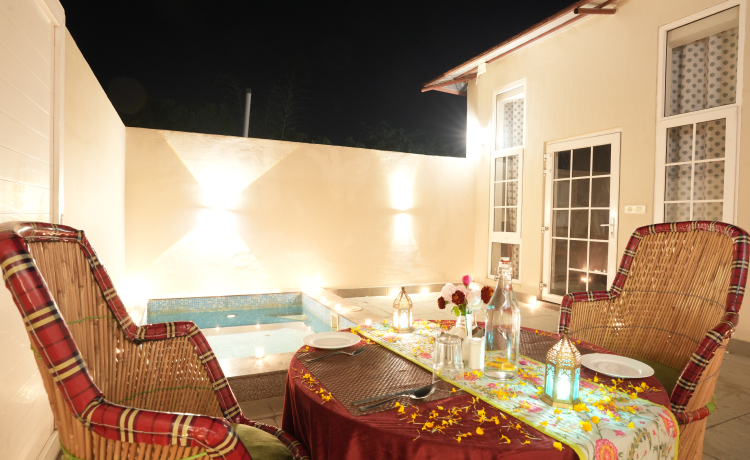
Forget candlelit dinners in noisy restaurants. Imagine dining under a canopy of stars so dense it looks like someone spilled glitter across the sky.
Astroport Sariska offers couples quiet lawns away from family groups. Private pool villas provide complete seclusion. You can arrange telescope sessions timed just for two.
The absence of city noise and light creates an intimacy impossible to achieve elsewhere. Conversations deepen when you discuss your place in the universe together. Many couples report feeling reconnected after their stay.
Anniversary, Proposal or Just a Break? Ideas for a Starry Date Night
For Proposals: Coordinate with staff to have the telescope pointed at a specific star cluster. Present the ring while viewing Saturn or the Orion Nebula. The cosmic backdrop makes the moment unforgettable.
For Anniversaries: Book a cottage with a private pool. Arrange for dinner on your private deck. The chef can prepare special requests. End with champagne while identifying constellations together.
For Just Because: Sometimes you need a break from routine. A two-night stay at this astronomy resort near Delhi resets your relationship. You talk about dreams and wonder instead of bills and schedules.
Night photography sessions offer another shared activity. Learn to capture star trails or the Milky Way together. You leave with both memories and photos.
Thing 6: Eco-Conscious, Nature-First Design and Organic Farm-to-Table Food
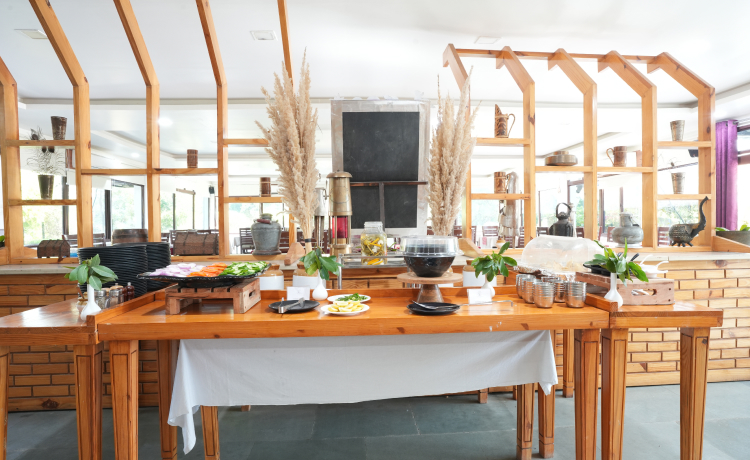
Astroport Sariska runs entirely on solar power. This eliminates generator noise and pollution while supporting the dark-sky mission. The resort earned the Sustainable Leadership Award 2023 for its practices.
The organic farm grows seasonal vegetables using drip irrigation. An on-site dairy provides fresh milk daily. Kitchen waste feeds poultry, whose waste becomes compost for the gardens. This closed loop minimizes environmental impact.
Outside food is not permitted, but you will not miss it. Chef Chote Lal and his team prepare authentic Rajasthani dishes alongside pan-Indian and continental options. Everything tastes fresher because it travels meters, not kilometers.
The high tea service deserves special mention. As the sun sets and the temperature drops, you enjoy fresh snacks and beverages while transitioning from day to night activities.
Why Protecting Dark Skies Matters for Wildlife and for Us
Light pollution does more than hide stars. It disrupts bird migration patterns. It confuses nocturnal animals. It affects insect populations that form the base of food chains.
For humans, excessive artificial light disrupts circadian rhythms and sleep quality. It contributes to health issues from insomnia to mood disorders. Protecting darkness protects ecological and human health.
By choosing this astronomy resort near Delhi, you support conservation. Your visit demonstrates market demand for sustainable, low-impact tourism. You prove that travelers value authentic experiences over wasteful luxury.
Thing 7: Comfortable Stays: From Garden Cottages to Private-Pool Villas
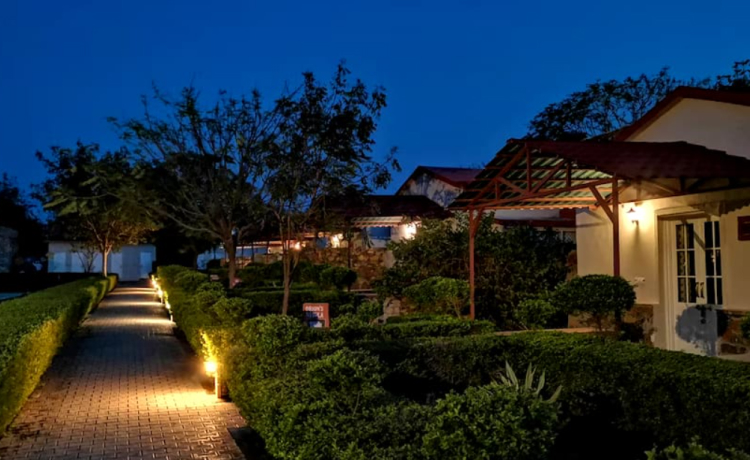
Some people imagine astronomy resorts as rough camping under basic tents. Astroport Sariska breaks this stereotype completely.
Signature Cottages: These 220-square-foot units offer king beds, air conditioning, work desks, and modern bathrooms. Large windows frame garden and hill views.
Luxury Cottages: Slightly larger at 240 square feet with premium finishes. Ground-floor placement ensures easy access for elders or anyone with mobility concerns.
Private Pool Cottages: The flagship option ranges from 237 to 350 square feet. Your own plunge pool lets you relax in water privacy. You can theoretically stargaze from your pool, though the main observation areas offer better equipment.
Wildlife Cottages: These 400-square-foot units feature panoramic windows oriented toward the reserve buffer zone. The design uses local materials and emphasizes views.
Family Rooms: Spacious 750-square-foot cottages accommodate up to 8 guests. They include separate living areas, multiple beds, and two bathrooms. Perfect for extended families or friend groups.
All units include air conditioning, essential in Rajasthan where summer temperatures exceed 40 degrees Celsius. Heating ensures winter comfort. Organic toiletries and thoughtful amenities maintain the eco-conscious theme.
What Type of Room Should You Pick? Family, Friends, or Couple
Families with kids: Book a family room or cottage. The extra space lets children play without disturbing your peace. Two bathrooms eliminate morning rush chaos.
Couples: Choose a private pool cottage for maximum romance and seclusion. If budget is tighter, signature or luxury cottages still provide quiet and comfort.
Friend groups: Combine multiple luxury cottages or book a family room and split costs. The layout supports socializing while offering retreat space.
Solo travelers: Signature cottages work well. You still access all resort facilities and astronomy sessions. Staff treat solo guests with equal attention and care.
Thing 8: Easy Access from Delhi NCR Yet a True Wilderness Feel

One of Astroport Sariska‘s smartest advantages is location balance. It sits far enough to escape light pollution but close enough for weekend trips.
You can leave Delhi on Friday afternoon after work. Arrive by evening for dinner and your first stargazing session. Sunday evening, you return home with time to unpack and rest before Monday.
Yet despite the manageable drive, the property feels remote. No city sounds penetrate. The scrub forest and Aravalli hills create natural boundaries. The sense of seclusion is real, not manufactured.
Mobile network coverage exists in public areas and most rooms, but it weakens in some spots. Many guests appreciate this forced digital detox. They reconnect with travel companions instead of scrolling feeds.
Quick Facts: Distance, Travel Time, Best Months to Visit
Distance from Delhi: 200 to 220 kilometers
Average drive time: 4 to 5 hours depending on traffic and route
Best route: NH-48 via Gurgaon and Bhiwadi, then state highways to Alwar and Tehla
Train option: Take a train to Alwar railway station, then hire a taxi for the remaining 40 kilometers
Best months for stargazing: October to March offers clear skies and comfortable temperatures
Best months for safaris: November to June, excluding monsoon core zone closure from July to September
Best overall combination: November to February delivers excellent conditions for both stargazing and wildlife viewing
What to avoid: Peak summer (May to June) brings extreme heat, though summer Milky Way views can be spectacular
Thing 9: Curated Itineraries and Packages for Stargazing Weekends

Planning a trip should excite you, not stress you. Astroport Sariska offers ready-made itineraries that combine accommodation, meals, safaris, and astronomy sessions.
These packages handle logistics so you focus on experiences. Safari bookings through the government portal, meal timing around sessions, activity scheduling for different age groups – everything coordinates smoothly.
The standard two-night, three-day package works perfectly for most guests. It provides enough time to enjoy both astronomy and wildlife without feeling rushed. Longer stays suit serious astronomy enthusiasts or those wanting deeper relaxation.
Sample 2-Night Plan: Exactly How Your Weekend Could Look
Friday Evening
- 2 PM: Depart Delhi
- 6 PM: Arrive and check in
- 6:30 PM: Welcome drink and resort orientation
- 7 PM: Sunset high tea
- 8 PM: First astronomy session (introduction and bright object viewing)
- 9:30 PM: Dinner
- 11 PM: Optional late-night deep-sky session
Saturday Full Day
- 5:30 AM: Wake-up call
- 6 AM: Morning tiger safari in Sariska
- 10 AM: Return for hearty breakfast
- 11 AM: Telescope-making workshop
- 1 PM: Lunch
- 2 PM: Free time (pool, nap, reading)
- 4 PM: Nature walk on resort grounds
- 6 PM: Bird watching session
- 7 PM: High tea
- 8 PM: Extended astronomy session with 16-inch telescope
- 10 PM: Dinner
- 11 PM: Optional astrophotography session
Sunday Morning
- 7 AM: Sunrise trek to nearby viewpoint
- 9 AM: Leisurely breakfast
- 10 AM: Visit organic farm and sustainability tour
- 11 AM: Check out with memories and new knowledge
This itinerary proves that visiting an astronomy resort near Delhi delivers more value than a typical weekend getaway. You experience education, adventure, relaxation, and wonder in one seamless trip.
How Astroport Compares with Other Stargazing Options Near Delhi
You have choices for dark-sky trips from Delhi. Understanding the differences helps you choose wisely.
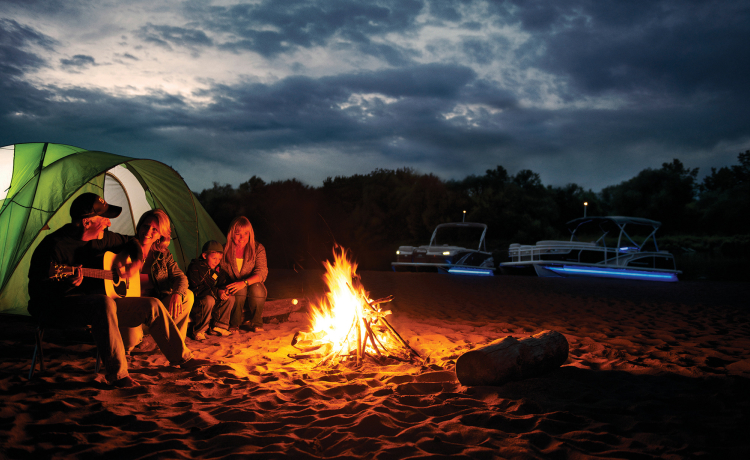
DIY camping trips: You can drive to remote areas with your own telescope. This costs less but requires astronomy knowledge, equipment, and comfort with basic conditions. Families find this challenging.
Luxury resorts with casual stargazing: Properties like The Westin Sohna offer comfortable stays and occasional sky viewing. However, they sit too close to Gurgaon, placing them in Bortle Class 6 or 7 zones. You will see bright planets and the Moon but miss the Milky Way and deep-sky objects.
Other astronomy camps: A few organizations run basic stargazing camps. These offer good education but limited accommodation comfort. Bathroom facilities may be shared. Food quality varies.
Astroport Sariska: This astronomy resort near Delhi combines professional-grade equipment, expert guidance, dark skies, comfortable lodging, quality food, and the unique addition of Sariska wildlife. The comprehensive approach justifies the premium pricing.
When a DIY Dark-Sky Trip Makes Sense and When It Does Not
DIY works if you:
- Own quality telescopes and know how to use them
- Enjoy camping in basic conditions
- Travel as experienced adults without children or elders
- Want to save money and have time to plan thoroughly
- Seek adventure over comfort
Choose a resort if you:
- Travel with children who need clean bathrooms and safe spaces
- Want expert guidance and guaranteed equipment
- Prefer comfortable beds and quality meals
- Have limited time and want logistics handled
- Seek both astronomy and complementary experiences like safaris
Most families, couples, and first-time stargazers find that an astronomy resort near Delhi offers far better value than the cost difference suggests.
Planning Your Trip: Practical Info for Your Stargazing Stay

Good planning transforms a nice trip into an excellent one. Here is what you need to know.
Booking advance time: Reserve at least 2 to 3 weeks ahead for regular weekends. Book 6 to 8 weeks ahead for long weekends and school holidays. Safari permits require advance booking through the Rajasthan government portal.
Moon phase consideration: Check the lunar calendar before booking. New moon periods offer the darkest skies for deep-sky viewing. First quarter shows the Moon’s craters beautifully. Avoid full moon if your primary interest is faint objects like nebulae.
Weather backup: Monsoon clouds or unexpected weather may limit viewing. The resort offers indoor planetarium sessions and educational activities. No refunds apply for weather, so book with this understanding.
Group size: The resort handles solo travelers, couples, families, and groups up to about 50 guests. Larger groups should contact directly for arrangements.
Pets: The resort welcomes dogs and cats for approximately 700 to 1,000 rupees per night. Pets must stay leashed and are not allowed in pools or restaurants.
What to Pack for a Comfortable Stargazing Weekend
Clothing:
- Light woolens or fleece jacket (October to March nights get cold)
- Comfortable walking shoes with closed toes
- Hat or cap for sun protection during safaris
- Layers for temperature changes between day and night
Astronomy gear (optional but helpful):
- Red flashlight or phone with red-light app to preserve night vision
- Binoculars if you own them (resort provides equipment)
- Camera with manual settings for astrophotography
- Tripod for long exposure shots
General essentials:
- Personal medications
- Sunscreen and sunglasses
- Insect repellent
- Reusable water bottle
- Power bank for phones
- Small backpack for safaris
What not to bring:
- Outside food (prohibited for ecological reasons)
- Bright flashlights or lanterns that ruin night vision
- Drones (restricted near wildlife areas)
- Expectations of constant mobile connectivity
When to Book and How to Choose Your Dates
Peak season (November to February): Weather is ideal for both stargazing and safaris. Temperatures range from 5 to 25 degrees Celsius. Book earliest for this period.
Shoulder season (October, March, April): Slightly warmer but still excellent. March and April offer galaxy season. October sees the start of clear skies after monsoon.
Summer (May to June): Hot days but spectacular Milky Way views at night. Best for serious astronomy enthusiasts who can handle heat.
Monsoon (July to September): Sariska core zones close from July 1 to September 30. Stargazing depends on cloud breaks. Best avoided unless you specifically want green landscapes and solitude.
Long weekends: Republic Day, Holi, and Diwali weekends see heavy bookings. Prices may increase. Book 8 to 10 weeks ahead.
School holidays: December and May school breaks bring family rushes. Book early or choose off-peak weeks for better availability.
Ready to Experience India’s First Astronomy Resort Near Delhi?
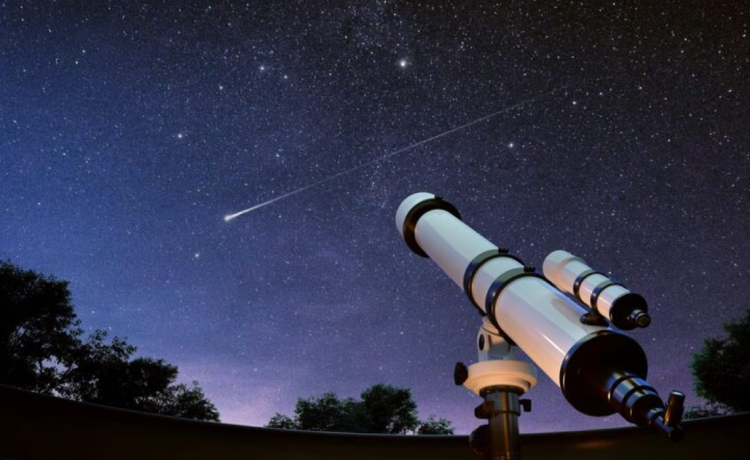
You have explored nine compelling reasons why Astroport Sariska stands apart. From 16-inch telescopes that reveal Saturn’s rings to the unique combination of tiger safaris and galaxy viewing, from eco-conscious design to comfortable cottages, this astronomy resort near Delhi delivers experiences impossible to find elsewhere.
The night sky has been humanity’s first textbook for thousands of years. Modern cities have stolen this heritage from us. Astroport Sariska gives it back, combining scientific rigor with accessible education, comfort with sustainability, adventure with relaxation.
Whether you seek a meaningful family weekend, a romantic escape, or simply a break from urban chaos, this destination welcomes you. The stars are waiting. Your telescope is ready. Your cottage is prepared.
Book your stargazing weekend at Astroport Sariska today and rediscover the universe just hours from Delhi. [Visit our booking page to check availability and packages]
Frequently Asked Questions
Q: How far is Astroport Sariska from Delhi?
A: The resort sits approximately 200 to 220 kilometers from Delhi. Most guests complete the drive in 4 to 5 hours depending on traffic and route via NH-48.
Q: Is Astroport Sariska suitable for beginners who know nothing about astronomy?
A: Absolutely. Our guided sessions are designed specifically for complete beginners. Resident astronomers explain everything in simple language with helpful analogies. No prior knowledge is needed.
Q: What is the best time of year to visit Astroport Sariska for stargazing?
A: October through March offers the best combination of clear skies and comfortable temperatures. Winter provides the clearest viewing conditions. Summer (May to June) shows spectacular Milky Way views despite the heat.
Q: Can we do both Sariska Tiger Reserve safari and stargazing in one weekend?
A: Yes, this is one of our unique features. Most guests book two-night stays that include morning safaris and evening astronomy sessions. The experiences complement each other perfectly.
Q: Are there comfortable rooms and private pool options at the resort?
A: We offer multiple accommodation types from signature cottages to private pool villas. All rooms include air conditioning, modern bathrooms, quality bedding, and thoughtful amenities. This is comfortable lodging, not basic camping.
Q: Is Astroport Sariska a good astronomy resort near Delhi for families with kids?
A: Yes, we specialize in family-friendly astronomy education. Our telescope-making workshops, hydro-rocketry sessions, and guided constellation tours engage children naturally. Spacious family rooms accommodate groups comfortably.
Q: What should we pack for a stargazing weekend at Astroport?
A: Bring comfortable clothing, light woolens for evening chill (season dependent), closed walking shoes, personal medications, sunscreen, and a camera if you want to capture memories. We provide all astronomy equipment.